Best Attractions in Hiroshima: A Local's Guide to the City's Iconic Sites
A local guide to Hiroshima's iconic attractions: Peace Memorial Park, the Atomic Bomb Dome, Miyajima, Hiroshima Castle, Shukkei-en, and Okonomimura.
I’ve lived in Hiroshima for a while, and I’ve walked visiting friends through more or less the same set of places more times than I can count. Most appear on every standard itinerary, but the order you do them in and the time of day you arrive both matter. Here is how I’d plan a first visit if I were the one showing you around.
Peace Memorial Park and the Memorial Museum
A first trip usually starts here. The park sits along the river just west of the city center, a deliberately open space dedicated to the events of August 6, 1945. The Memorial Museum on the south end is heavier than most people expect, so I’d give yourself a full half-day rather than trying to fit it between other stops. The Flame of Peace at the cenotaph will stay lit until nuclear weapons are gone from the world, and standing in front of it explains the city’s posture better than anything I could write.
The Atomic Bomb Dome
Across the river from the park, the Atomic Bomb Dome has been left in the state it was in after the bombing. It is a UNESCO World Heritage Site and the city’s most photographed building, but seeing it from the riverside walkway rather than the street gives the scale a different weight. I usually visit it right after the museum, when the context is freshest.
Miyajima and Itsukushima Shrine
Miyajima is the day-trip everyone takes, and rightly so. A short ferry from the mainland drops you on an island where deer wander freely and Itsukushima Shrine appears to float on the water at high tide. With time to spare, hike or take the ropeway up Mt. Misen for the view over the Seto Inland Sea. Grilled oysters, anago, and momiji manju are the trio worth trying before the last ferry back.
Hiroshima Castle
The castle, sometimes called Carp Castle, is a reconstruction of the original sixteenth-century keep, which did not survive the bombing. The current structure houses a museum on samurai culture and feudal history, and the grounds are pleasant year-round, particularly during cherry blossom season. The story of its destruction and rebuild sits in its own piece if you want the background before you visit.
Shukkei-en Garden
A short walk from the castle, Shukkei-en is a traditional garden built around a central pond, with paths and small bridges that make the space feel larger than it is. Every season changes it: cherry blossoms in spring, deep green in summer, red leaves in autumn, bare structure in winter. The kind of place to slow down for an hour rather than power through.
Okonomimura
Okonomimura is a three-story building in Shintenchi where roughly two dozen okonomiyaki counters operate side by side. Each cook has their own take on the Hiroshima-style stack of batter, cabbage, noodles, egg, and pork, and watching the build happen on the steel teppan in front of you is half the meal. If you’d rather not pick blind, my own picks across the city are in this okonomiyaki guide.
My Hiroshima Regulars
A few places I actually drop into when I’m not showing people around. In Otemachi, VUELTA is a sixteen-seat craft cocktail bar, quiet and serious about ice and dilution, useful when central Hiroshima feels too loud after dark. Walk-ins are fine; bookings through their site are safer on weekends. Inside Okonomimura, Tetsu on the second floor is the counter I’d point you to: traditional Hiroshima style, no oil or MSG, open from eleven until they sell out. For mornings, ARCHIVE COFFEE ROASTERS along the Honkawa river, a few minutes from Peace Park, is a good first stop before the day’s walking.
Planning the Days
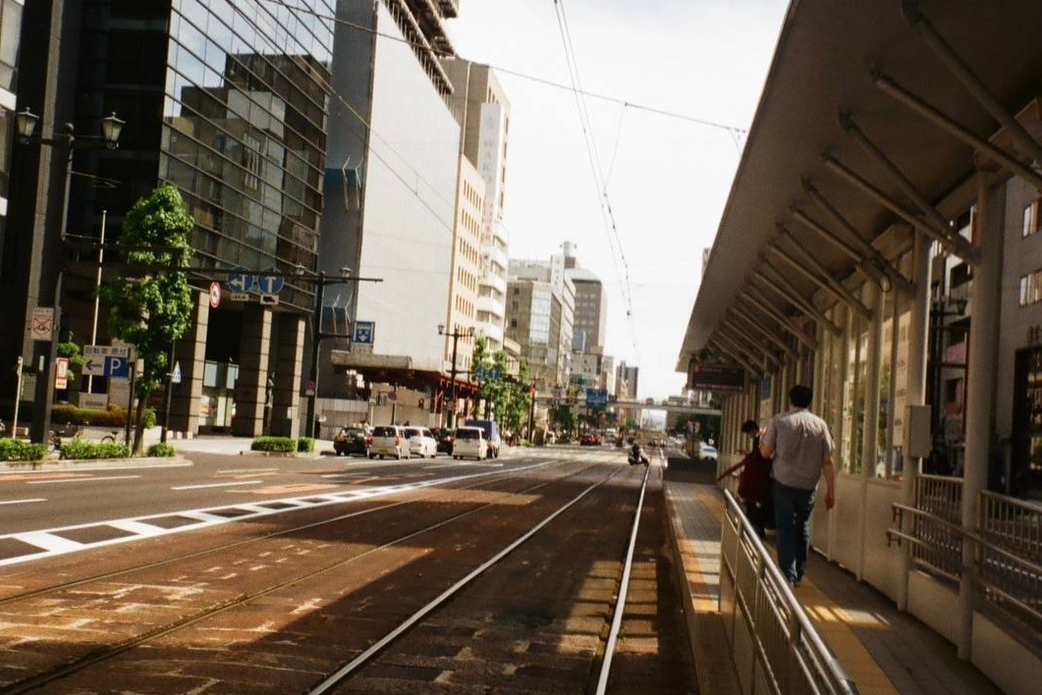
Two days covers the main historical sites and Miyajima without feeling rushed; three lets you add the garden, the castle, and a slower meal or two. The streetcar handles most in-city distances, and the ferry to Miyajima is straightforward once you reach the port. For deeper logistics, see how long to spend in the city and riding the streetcar like a local before you arrive.