Hiroshima Culture Trip: A Local's Guide to History, Food, and Modern Life
Hiroshima rewards a culture-focused visit that goes beyond the Peace Memorial. A local's guide to history, food, Miyajima, and the quieter modern side.
Hiroshima usually shows up on travel itineraries for one reason, and it’s a serious one. The Peace Memorial brings most first-time visitors here, and it should. But after living in the city a few years, I’ve come to think of Hiroshima as a working blend of history, food, craft, and quiet modern energy rather than a single landmark. A culture-focused visit works best when you treat the Peace Memorial as a starting point, not the entire trip.
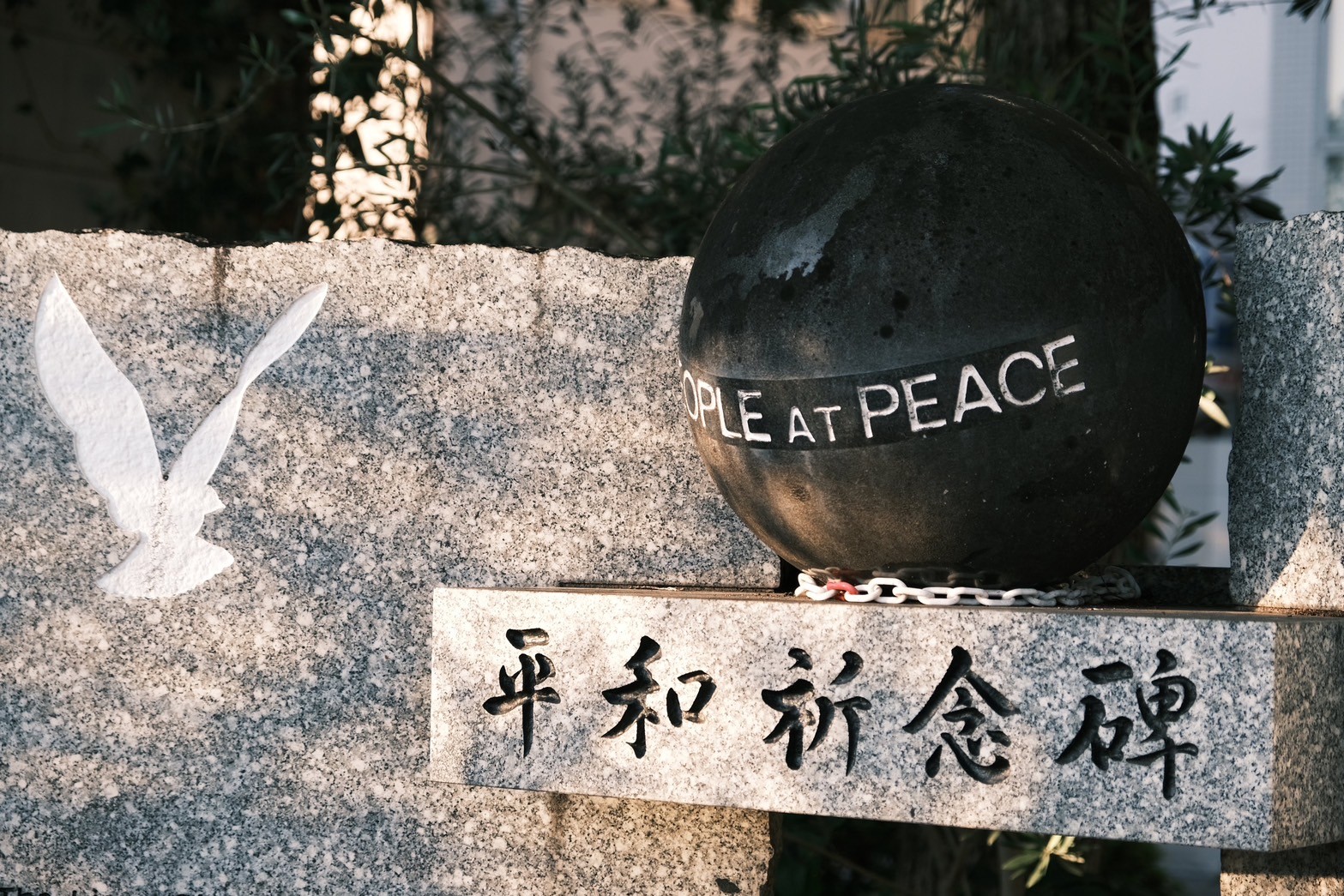
Starting With the Peace Memorial
The Peace Memorial Park and Museum is the gravitational center of any first visit. The A-Bomb Dome stands across the river from the museum, and the walk between them through the park grounds is itself part of the experience. Give it a full morning at minimum. If you want a sense of what to expect, my notes on visiting the museum cover the practical side of pacing yourself through it.
Most people need an hour or two of something lighter before continuing the day. The riverside paths around the park are a good place to walk that off, and the central shopping arcades are only a short stroll away.
Itsukushima and the Spiritual Side
Miyajima Island sits a short train and ferry ride from the city, and the floating torii of Itsukushima Shrine is the postcard image for a reason. The shrine reads completely differently at high tide and low tide, so if you can time your visit around the tide chart, both views are worth seeing in one day. I wrote a longer piece on why Itsukushima earns the visit for anyone deciding whether to add the island to their plan.
Closer to the city, Mitaki-dera Temple sits in a fold of forested hills just north of central Hiroshima. Moss, small waterfalls, weathered pagodas, and almost no crowds. It rewards a slow visit and works as a quieter counterweight to Miyajima’s busier paths.
The Food Scene
Hiroshima’s food culture runs deeper than the okonomiyaki most visitors come for, though the okonomiyaki is genuinely good. The local style layers crepe, cabbage, pork, noodles, and egg on the griddle in a way that takes a counter visit to really appreciate. I keep my okonomiyaki picks updated for visitors trying to choose between the many spots.
Beyond that, the Seto Inland Sea brings excellent oysters in season, anago (saltwater eel) is a regional specialty most travelers miss, and the local tsukemen style is its own thing — soup-less, spicy, and very different from what Tokyo or Yokohama call tsukemen. A broader walkthrough of Hiroshima cuisine covers more of the regional dishes worth seeking out.
For a slower cultural moment around food, Shukkeien Garden has a small tea house where you can sit with a bowl of matcha after walking the grounds. It’s central, costs almost nothing, and pairs naturally with a half-day in the city.
Art, Music, and the Modern City
The Hiroshima Museum of Art and the Hiroshima Prefectural Art Museum sit close enough to each other to make a single afternoon work for both, and they hold a stronger collection than visitors expect. Live music is part of the city’s evening texture too: small jazz rooms and the occasional acoustic venue tucked into the Nagarekawa side streets, though you have to know where to look.
Street art has slowly grown more visible around the central neighborhoods too. It’s not a Berlin or a Lisbon, but the murals you do find feel intentional rather than decorative, and they sit nicely alongside the older architecture.
Planning Your Days
For most first-time visitors, two full days in the city works well: one for the Peace Memorial and central Hiroshima, one for Miyajima. Add a third if you want to do justice to the food, the art museums, and a slower neighborhood walk. The two-day itinerary I keep linked from the homepage is the most-used starting point I have, and the hidden-gems guide covers the less-obvious stops worth working in once you have the basics covered.
My Hiroshima Regulars
A few places I drop into often that fit naturally into a culture-trip pace.
For mornings near Peace Park, ARCHIVE COFFEE ROASTERS along the Honkawa river is a small specialty roaster I went to early after moving here. Easy walk from the park, in-shop drinks, beans to take home, and an owner who’s actually approachable, which matters more in specialty coffee than it should.
For okonomiyaki inside Okonomimura, Tetsu on the second floor is the counter I send people to. Sweet cabbage, thin noodles, no oil. The building holds dozens of stalls and picking blind is rough, so this is my pick within the building rather than a generic Okonomimura recommendation.
In the evening, VUELTA is a small craft cocktail bar in Otemachi I stop into often. Sixteen seats, quiet, with serious attention to ice and dilution. Walk-ins are fine, and they take bookings through their site if you want to be sure on a Friday or Saturday.
A Final Note
Hiroshima rewards travelers who give it more than a single afternoon. The history is the reason most people come, and the rest is what makes them want to come back: the food, the island, the small art museums, the quiet evening corners. Plan in a buffer day if you can. The city tends to expand the longer you stay in it.