Hiroshima in July: Heat, Festivals, and Summer Rhythms
July in Hiroshima means scorching heat, the end of rainy season, and some of the city's best evening festivals. A local's honest guide to the month.
July is when Hiroshima stops pretending summer is coming and just becomes summer. The rainy season usually wraps up in the first or second week of the month — and when it does, the temperature climbs fast. By mid-July you’re looking at 33 to 36 degrees most afternoons, the kind of heat that reorganizes your whole day around shade and cold drinks. Mornings are the window. Evenings are the reward. The dead zone from around noon to five is when locals duck into covered arcades, air-conditioned museums, or just stay home. I’ve lived here long enough to know the calendar shifts completely once the tsuyu lifts — and actually, there’s quite a lot happening in July if you know where to look. The Peace Memorial Ceremony on August 6th draws most of the attention, but July has its own rhythm, quieter and more local, with neighborhood festivals, summer food markets, and a city that genuinely comes alive after dark when the heat finally drops a few degrees.
When Does Rainy Season End in Hiroshima?
The short answer is: usually sometime in the first half of July, though it varies by a week or two each year. In some years the tsuyu ends around July 10th; in others it drags into the third week. You’ll know when it’s over because the sky turns a harder shade of blue and the humidity, paradoxically, gets worse before it gets better. The post-rain weeks in late July are the most brutal — the moisture from all that rainfall heats up and sits on the city. Honestly, it can feel hotter after the rain stops than during it.
If you’re planning a trip for the very start of July, pack for rainy season: a lightweight waterproof jacket, quick-dry clothing, a compact umbrella. By mid-July, swap the rain gear for something else entirely — sunscreen, a hat you’ll actually wear, and the willingness to duck inside every 40 minutes or so.
What July Heat Actually Feels Like Here
I want to be honest about this because I’ve seen travel guides describe Hiroshima in summer as “warm” and I find that word misleading. Hot. It’s hot. The city sits in a basin ringed by hills, which means heat builds up and doesn’t have anywhere to go. On a still afternoon in late July you can feel the warmth radiating off the pavement through the soles of your shoes.
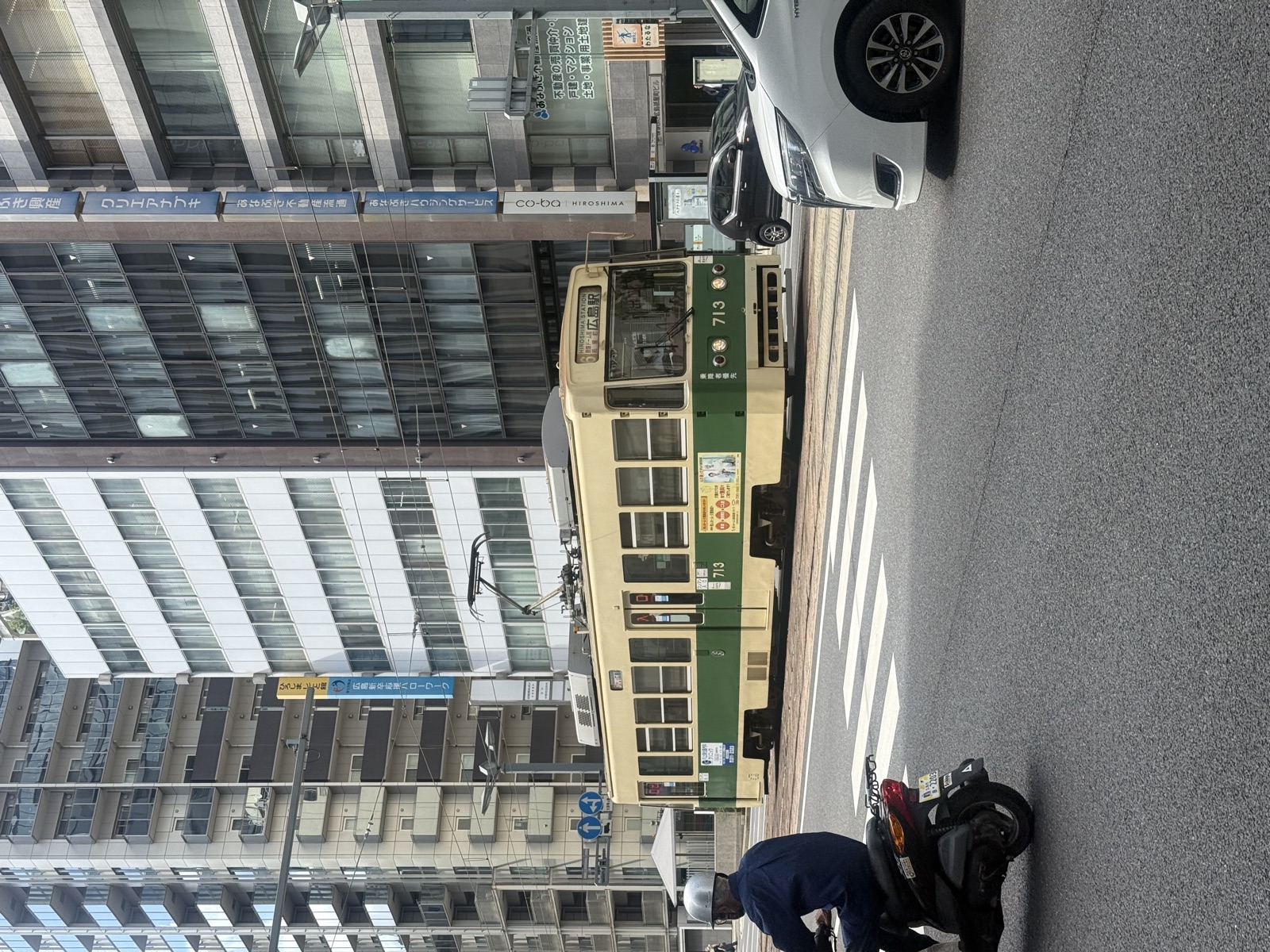
That said, it’s manageable if you adjust your expectations. The streetcar network is almost always air-conditioned. The Hondori and Shareo underground shopping arcades give you stretches of climate-controlled walking. Shukkeien Garden is beautiful in the morning but genuinely unpleasant by 2pm — I made that mistake last summer and spent the last half of the visit just trying to find shade. The Peace Memorial Park, for similar reasons, is best visited in the first hour after opening or late in the afternoon.
The rivers help a little. There’s usually a breeze along the Motoyasu and the Kyobashi in the evening, and by 8pm you can actually enjoy sitting outside somewhere.
The Peace Memorial Ceremony and August 6th Context
One thing worth understanding if you’re visiting in late July: the week leading up to August 6th starts to shift the atmosphere in the city. Paper crane offerings accumulate at the Cenotaph. Tour groups begin to arrive. Hotels fill up. If you’re planning a July trip and want to stay a few extra nights into early August to attend the Peace Memorial Ceremony, book well in advance — accommodation around August 5th and 6th gets tight.
The ceremony itself begins at 8:00am on August 6th, the exact time the bomb was dropped in 1945. It’s a formal, moving event held in Peace Memorial Park. The public can attend, and many do — thousands of people, a moment of silence at 8:15am, and lanterns on the river in the evening. It’s not a tourist attraction in the conventional sense, and I’d describe the atmosphere as solemn rather than festive. Worth attending if you’re here. Worth being quiet and attentive if you do.
For more context on visiting the Peace Park itself, the Hiroshima Atomic Bomb Museum is worth reading about before you go — the exhibits are dense and some preparation helps.
Hiroshima’s Summer Festivals in July
July is actually festival month in Japan, and Hiroshima has its share. The biggest neighborhood event in central Hiroshima is usually a summer matsuri tied to one of the local shrines, with food stalls, bon odori dancing in the evening, and that particular smell of grilled corn and yakisoba that announces every Japanese summer festival. The specific dates shift year to year so check the city’s events calendar closer to your trip — I’d rather give you accurate advice than list dates that may have changed.
The Toukasan festival in early June (which I’ve written about separately in the Hiroshima Toukasan guide) is technically just before July, but some of the Nagarekawa street energy carries into summer — bars and restaurants extend their hours, and you’ll see more yukata on the streetcars through July.
Bon Odori events, the circular folk-dance tradition of Obon, happen mostly in mid-August, but some neighborhoods schedule their local versions earlier. If you’re lucky, you’ll stumble across one in a school parking lot or a neighborhood park — just people dancing in circles, lanterns strung overhead, kids chasing each other between the stalls. Those are often the most enjoyable to see precisely because they’re not organized for visitors.
The Best Things to Do in July (Honestly)
Mornings are for outdoor sightseeing. The window from opening time to about 10:30am is genuinely pleasant in July — the sky is clear, the light is good for photos, and the worst of the heat hasn’t arrived yet. Miyajima is worth visiting in this slot; take the first or second ferry of the morning and you’ll have a good hour before the crowds and the heat both escalate simultaneously. The Itsukushima shrine approach is different in high summer, the torii reflecting in water warmed from weeks of sun.
For Miyajima logistics, the Hiroshima and Miyajima in one day guide covers the ferry timing and what to prioritize — useful reading for anyone trying to fit both into a single day.
Mid-afternoon is for indoors. The Hiroshima City Museum of Contemporary Art in Hijiyama Park is worth a visit, though note that the hill up to it is steep and sweaty in July. Alternatively: Shareo underground mall connects several central stations and gives you climate-controlled wandering with shops and food. The Okonomimura building in Shintenchi is also reliably cool and makes for a satisfying mid-afternoon lunch where you’re not trying to move after eating.
Evenings are the real draw. The riverside areas along the Kyobashi and Honkawa come alive from around 6pm, when the temperature drops enough to sit outside with a drink. Beer gardens run through July on several rooftop terraces and waterside spots — I’ve already written about where those are in the Hiroshima beer gardens guide, and most of them run through mid-August.
What to Eat in July
Summer in Hiroshima means cold things. Hiyashi chuka — cold ramen with toppings arranged on top, dressed in a sesame or soy vinaigrette — shows up on almost every noodle shop menu in July and disappears by September. It’s a genuinely good dish that doesn’t get the same attention as regular ramen, probably because it photographs less dramatically. Order it.
Somen — thin wheat noodles served with ice water and a dipping broth — appears at most izakaya and some dedicated shops. Light, fast, cheap, exactly right for 33-degree weather.
Oysters are officially “off season” in July. Hiroshima oyster season runs roughly October through March, and the summer months are when they’re spawning. You can still find them at certain restaurants year-round, but I wouldn’t seek them out specifically in July. If oysters are your reason for coming to Hiroshima, the oyster guide explains the seasonality in more detail.
On the street food side, the watermelon and kakigori (shaved ice) vendors appear in July. Kakigori in Japan is worth trying even if you’re skeptical — the good versions use finely shaved ice that melts into the flavored syrup rather than just sitting underneath it. Some specialty shops do condensed milk poured over the top, which sounds excessive and is.
Getting Around in the Heat
The streetcar is your best friend in July. Air-conditioned, frequent, and it covers most of the places you’d want to go in central Hiroshima. The IC card system works the same in summer as in any other month — tap on, tap off, the travel card guide covers ICOCA setup if you need it.
Walking in full sun at 2pm in late July is genuinely inadvisable for stretches longer than about 10 minutes. Not dangerous if you’re hydrated and have a hat, but unpleasant enough that it will put you in a bad mood. The underground Shareo mall runs between Kamiyacho-higashi and Kamiyacho-nishi stations and covers roughly the width of the main shopping district — use it.
For Miyajima day trips, the ferry crossing itself is a nice 10 minutes on the water with a breeze, which makes the round trip worth it just for that. Take the JR ferry if you have a Japan Rail Pass — it’s included.
Practical Notes for a July Visit
- Average July high: [VERIFY: check Japan Meteorological Agency data for Hiroshima July averages, typically 30–34°C]
- Rain probability in early July: high (still rainy season); drops sharply after tsuyu ends
- Sunrise: around 5:00am — mornings start genuinely early, which is actually useful
- Last streetcar: varies by line, typically around 23:30 from central stops
- Accommodation: standard availability most of July; fills from late July into August 6th
- Mosquitoes: present near the rivers in the evening; a small repellent stick is worth having
My Otemachi Rotation
For lunch in the neighborhood, Udon-tei Sakae in Otemachi is a small family-run shop I keep coming back to on weekdays — the karaage is as much a reason to go as the noodles, and you’re usually out in under 30 minutes for around ¥1,000. Note it’s closed weekends and holidays, which catches people off guard the first time.
If the evening is what you’re after and you want somewhere that doesn’t require figuring out Japanese on a wall menu, VUELTA is a small craft cocktail bar in Otemachi I drop into fairly often — 16 seats, quiet, with the kind of attention to ice and dilution that makes a July drink feel like it’s doing what it should. Walk-ins are fine most nights; book ahead via their site on Fridays and Saturdays when the city fills up.
FAQ
Is July a good time to visit Hiroshima? It depends on your tolerance for heat. July is genuinely hot — often 33 to 35 degrees in the afternoon — but mornings are good for sightseeing, evenings are pleasant, and the city has its own summer energy with festivals and outdoor events. If you can structure your day around the heat, it works. Travelers who need to walk constantly in the middle of the day will find it harder.
Does the rainy season affect a July trip? Possibly, for the first one to two weeks. The tsuyu typically ends somewhere between early and mid-July in Hiroshima. Book refundable options if you’re traveling in the first week of the month and want flexibility around outdoor plans.
Is Miyajima worth visiting in July? Yes, but go early. The first ferry of the morning gives you the best combination of bearable heat and manageable crowds. By 10:30am both are climbing. The island is beautiful in summer — lush hills, bright torii — but it requires some timing discipline to enjoy it without wilting.
What’s the Peace Memorial Ceremony, and can visitors attend? The Peace Memorial Ceremony is held every year on August 6th beginning at 8:00am in Peace Memorial Park, marking the anniversary of the atomic bombing in 1945. The public is welcome to attend. It is a solemn, formal event — worth attending with respectful attention. If you’re visiting in late July and can extend your trip a few days, it’s worth experiencing.
What should I pack for Hiroshima in July? Sunscreen at a level you’d take seriously, not just an afterthought. A hat — the kind that actually covers your face, not a baseball cap tilted fashionably. A small hand towel or sweat towel (tenugui), which every convenience store sells and which Japanese people use constantly in summer. Comfortable shoes you don’t mind getting sweaty. A compact umbrella for the start of the month in case the rainy season is still running.