Hiroshima Izakaya: A Local's Guide to Evening Dining
Hiroshima's izakayas range from quiet Yagenbori counters to the loud Nagarekawa strip. A resident's guide to neighborhoods, what to order, and how the evening works.
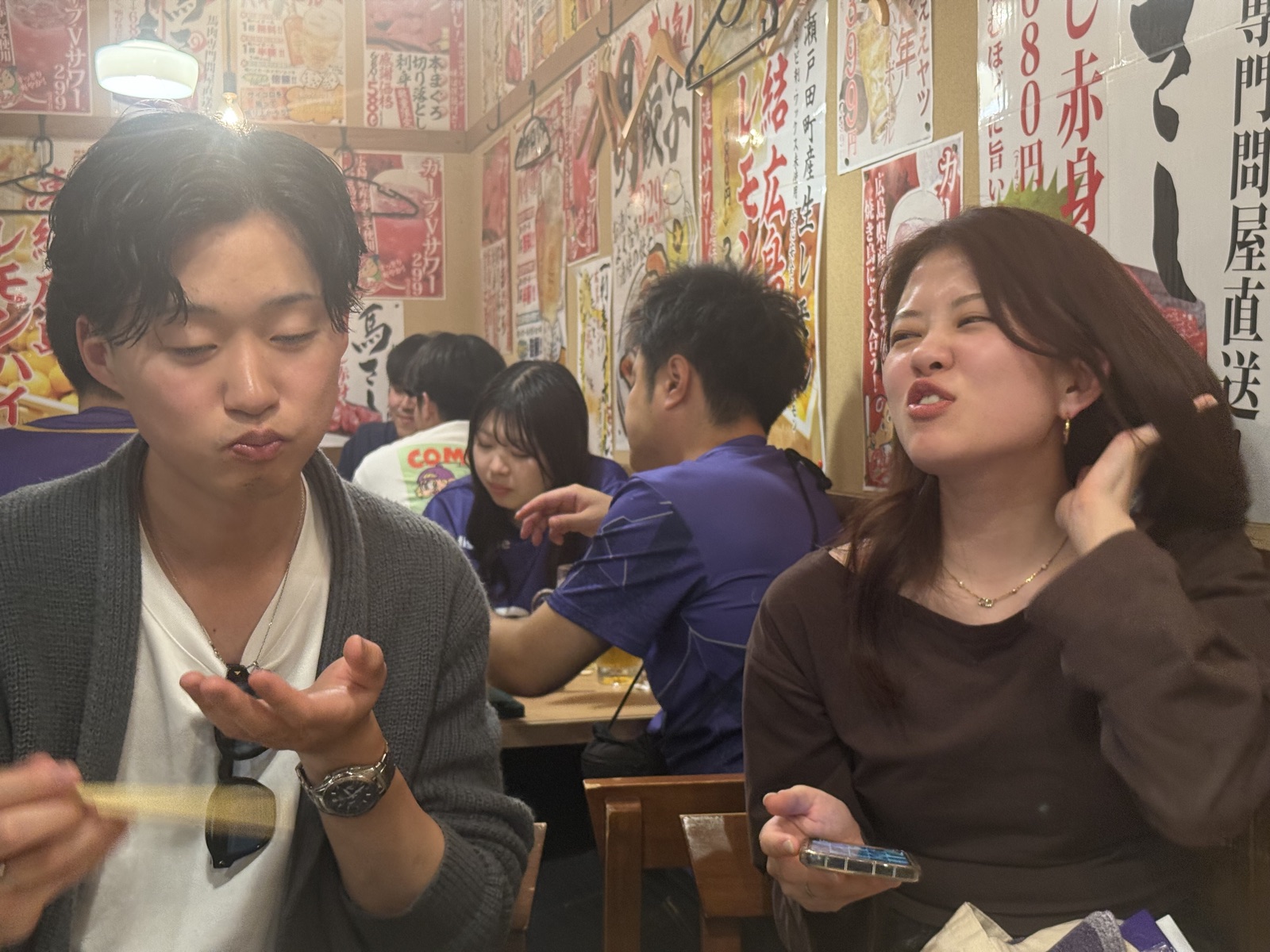
An izakaya dinner is probably the most honest way to eat in Hiroshima. Not the most famous, not the most photogenic — honest. You sit, you order gradually over two or three hours, and by the end you have a fairly clear picture of how people in this city actually eat after work. Hiroshima does it well because the raw material is good: oysters from the coast, anago from the Seto Inland Sea, sake from Saijo forty minutes east by train, and a local bar culture that hasn’t been entirely overrun by the tourist itinerary. I’ve been eating at izakayas here for a few years and the range is wider than most first-time visitors expect. Some of the better places seat eight people and have no English menu. Some of the Nagarekawa strip spots seat a hundred and serve passable food to a reliable flow of group bookings. That difference matters, and this article tries to point you toward the former.
The article works through this roughly in order: what to expect when you walk into an izakaya, which neighborhoods are worth knowing, what to eat and drink, the standing-bar alternative, and some practical notes on cost and timing. Short version: go to Yagenbori on a Tuesday or Wednesday evening, order whatever is on the grill, ask for the sake they have from the local region, and stay until you run out of things to talk about. That covers most of it.
What “Izakaya” Actually Means in Practice
The word doesn’t have a clean English equivalent. An izakaya sits somewhere between a bar and a restaurant, structured around incremental ordering over an extended evening rather than a single delivered meal. You arrive, order a first drink quickly, then plates of food come in whatever order you choose them, and you keep going until you’re ready to stop. The bill comes when you ask for it. There is no hurry at a good izakaya, and they’re not in the habit of clearing the table under you.
What Hiroshima adds to the format is local produce that gives the menu genuine character. This city is not eating dried edamame and standard karaage because nothing better is available — those things exist alongside fresh oysters, good anago, and sake from one of Japan’s better brewing regions, all at a place that might have a handwritten board and twelve seats.
Most izakayas charge an otoshi when you sit down: a small cover of around [VERIFY: ¥300–500] per person, which arrives as a small appetizer you didn’t order. This is standard across Japan. Don’t try to send it back.
The Neighborhoods Worth Knowing
Nagarekawa is the most concentrated nightlife area in the city, and that includes izakayas. The strip runs roughly north of Aioi-dori, with everything packed into a few blocks: larger loud standing places, karaoke buildings, small rooms where the cook is also the person who seats you. From the outside, distinguishing between a tourist trap and a room worth walking into is not always obvious. My rough heuristic: laminated English menus with stock photos at the entrance, a tout positioned to intercept foot traffic, neon signs advertising nomihodai packages at low flat prices. These aren’t disqualifiers exactly, but they tend to predict a less interesting kitchen. The places I’ve kept going back to in Nagarekawa have handwritten boards, nobody standing outside, and usually a small cluster of regulars at the counter.
Yagenbori is a few minutes south and a different atmosphere entirely. Quieter, lower-key, with a higher proportion of places that seat under fifteen people and where the cook is also the owner. Some of the yakiton counters here have eight stools and a single charcoal grill; the person at the grill is the same person who hands you the menu. I’ve had better grilled food in Yagenbori than anywhere in Nagarekawa, though it took a few visits to find the right spots. Weekdays here are genuinely calmer and worth seeking out if your schedule allows it.
Hatchobori and the area toward Horikawacho attract a different demographic: mostly office groups working through multi-hour bookings, longer tables, larger operations with proper kitchen teams. The energy is still izakaya but it’s company-dinner izakaya rather than solo-or-small-group izakaya. Worth knowing exists, less worth hunting down if you’re a visitor looking for something more informal.
Otemachi is more restaurant than izakaya in character, but there are izakayas scattered around the Chuden-mae area that are easy to miss if you’re not looking. The neighborhood sits close enough to Nagarekawa and Yagenbori that eating dinner in Otemachi and then taking the Hiroden streetcar east later in the evening is a perfectly reasonable plan. The tram runs regularly until around midnight.
What to Eat
Start with oysters if it’s the season, which in Hiroshima runs from roughly October through April. Kaki no teppanyaki, oysters grilled in the shell on a flat iron plate and finished with soy and a little butter, shows up on almost every izakaya menu during those months, and they’re worth ordering every time. The size surprises people the first time: Hiroshima coast and Miyajima-area production means these are large and unmistakably fresh. June is the very end of the season. You’ll still find them on some menus but the peak is past, and the quality varies more than it does in winter. Ask before committing to a plate.
Anago from the Seto Inland Sea appears in izakayas in various forms: simmered slowly, grilled with a light tare sauce, or simply seasoned and served with rice alongside. The izakaya version is less formal than a specialty anago restaurant but good at a place that’s clearly buying fresh fish. If you see it on a menu that doesn’t look like it came off a printer two years ago, order it.
Motsu, organ meat (usually pork intestines) either grilled on skewers or stewed in miso, is more common at Hiroshima izakayas than at comparable places elsewhere in Western Japan. It’s not everyone’s preference, but worth trying at a place that clearly knows what it’s doing at the grill. The stewed motsu nabe version appears more in winter; by June you’ll more often find yakiton-style skewers. Seasonal mountain vegetables, sansai, sometimes still show up in early June at places buying from local suppliers. Warabi and late bamboo shoot preparations. Order them if you see them. And karaage is everywhere and reliable, and a useful kitchen gauge: if the karaage is properly juicy and not greasy, the rest of the menu is probably being handled with similar care.
Standing Bars as an Alternative
Tachikomi, stand-up bars, aren’t exactly izakayas. The food selection is narrower, the pace faster, the commitment lighter. You come for one or two drinks and a small plate, not for a two-hour dinner. They’re cheaper and better as a start or an end to an evening than as the main event.
What I actually like about standing bars is the forced proximity to whoever else is there. At a sit-down izakaya table, you can go an entire evening without talking to anyone local. At a standing counter, that’s harder to avoid, which is either appealing or not depending on what kind of evening you want.
Lemon Stand Hiroshima, near Fukuro-cho, sits at the more curated end of this category. Built around Hiroshima-lemon sours and natural wine, with a rotating small-plates menu that takes over from the lunchtime curry-shop identity by early evening. The exterior is bright yellow and visible from the street. I stop there more than I plan to, usually for one drink that becomes two.
Sake and What to Drink
Saijo, about forty minutes east of Hiroshima by train, is one of the principal sake-producing areas in Japan, and local bottles appear consistently at izakayas across the city. Most places will have at least two or three regional options. Asking which brewery a bottle is from often starts a genuine conversation; sake questions tend to be welcome in a way that other menu questions sometimes aren’t.
The Hiroshima junmai style tends toward soft and slightly round, which works well against the seafood-heavy izakaya menu. Starting with a glass of sake before switching to beer or shochu is a move that makes more sense here than it does in a lot of other cities. A glass runs around [VERIFY: ¥500–900] depending on the place and the bottle.
Beer is the standard default — Asahi, Kirin, or Sapporo on draft at almost everywhere. Shochu by the glass or by the bottle is also common; the highball format (shochu over ice with soda water) is worth trying if you haven’t. For non-drinkers, most izakayas now have a reasonable soft drink section: grape juice, citrus sodas, sometimes ginger ale. The selection is narrower than a restaurant but no longer limited to oolong tea.
Navigating the Experience
The toriaezu order is worth understanding. When you first sit down, staff will usually expect a quick first-drink decision before you’ve had time to fully read the menu. Beer is the default toriaezu (“for now”), but saying “nihonshu” redirects to sake, and pointing at the sake section of the menu works fine. After that, the ordering pace is yours.
Photo menus are common and genuinely useful. Pointing at another table’s food also works in practice. In the main nightlife areas, English menus are more available than they used to be; the older smaller spots in Yagenbori and Hatchobori typically don’t have them, and the photo menu is your best reference. A few kanji worth recognizing on a grill menu: 鶏 (chicken), 豚 (pork), 牛 (beef). That narrows the guessing considerably.
Timing matters more than most visitors expect. Friday and Saturday from 18:30 onward in Nagarekawa, and at the smaller places in Yagenbori, mean difficult walk-in prospects. Some of the twelve-seat spots fill by 19:00. Weekdays, especially Sunday through Wednesday, are substantially more forgiving. I went to a place in Yagenbori on a Wednesday once where there were two other customers all evening, and the cook kept sending over plates he’d made too much of. That doesn’t happen on a Saturday, and it was the better visit by a fair margin.
Nomihodai (all-you-can-drink) packages run for a fixed time, usually 90 minutes or two hours, at a flat per-person fee. They’re a reasonable deal for groups with a time constraint and a fast pace. They’re not the format for an unhurried evening; the clock changes the mood of the table in ways that aren’t always worth the saving.
Practical Info
These are approximate figures. Verify current specifics before relying on them:
- Typical spend per person: ¥2,500–5,000 for 2–3 hours with food and several rounds
- Otoshi cover charge: [VERIFY: ¥300–500] per person, standard everywhere
- Nomihodai packages (where offered): [VERIFY: ¥1,500–2,500] per person for 90 minutes
- Last orders at most izakayas: [VERIFY: 23:00–23:30]
- Hiroden from Nagarekawa area toward Hiroshima Station: every 5–10 minutes until around midnight
- Last trains from Hiroshima Station: [VERIFY: varies by line, around 00:00–00:30]
My Hiroshima Regulars
Lemon Stand Hiroshima in Fukuro-cho is where I tend to go at the start of an evening, or late when I’m not done but don’t want another sit-down commitment. It’s a standing counter, bright yellow exterior, built around Hiroshima-lemon sours and natural wine with a small rotating food menu that takes over from the lunchtime curry-shop setup by early evening. Good for forty-five minutes that reliably extends.
For a proper sit-down dinner before or instead of an izakaya, MORETHAN Hiroshima at THE KNOT hotel in Otemachi comes up more than you’d expect for a hotel restaurant. Charcoal grill, seasonal Hiroshima ingredients, relaxed without being casual to the point of feeling unserious. I haven’t had to book more than a day ahead, which is part of why it stays in the rotation.
After dinner — or after the izakaya stretch — VUELTA is a small craft cocktail bar in Otemachi I drop into often. Sixteen seats, proper attention to ice and dilution, a pace that doesn’t push you toward the door. Walk-ins are usually fine; booking through their site on a Friday or Saturday takes thirty seconds and saves the uncertainty.
Frequently Asked Questions
Are Hiroshima izakayas accessible if I don’t speak Japanese?
Yes, with some variation by neighborhood. Places in Nagarekawa and Otemachi often have photo menus or basic English options. Smaller spots in Yagenbori and Hatchobori typically don’t, but photo menus and pointing are reliable tools. Staff at most central izakayas are accustomed to non-Japanese customers and generally patient with the process.
Do I need to book ahead for an izakaya in Hiroshima?
Not usually. The smaller popular spots in Nagarekawa and Yagenbori can fill by 19:00 on Friday and Saturday evenings, and same-day walk-ins get harder after that. Weeknights, especially Sunday through Wednesday, are almost always easy for walk-ins. If you have a specific place in mind, calling that day or checking Tabelog for a reservation option is usually enough.
What’s the typical cost for an izakaya dinner in Hiroshima?
Budget roughly ¥2,500–5,000 per person for two to three hours with food and several rounds of drinks. That includes the otoshi cover charge [VERIFY: ¥300–500 per person]. Standing bars come in cheaper, often under ¥2,000 for a couple of drinks and a small plate.
Can vegetarians eat at Hiroshima izakayas?
With effort. The standard menu is heavy on meat and seafood. Reliably meat-free options usually include edamame, hiyayakko (cold tofu), salads, and some seasonal vegetable dishes. The older and smaller places tend to have more fixed menus with limited flexibility. Vegetarians visiting Hiroshima will find dedicated plant-based restaurant options more accommodating than the izakaya format.
What’s the difference between an izakaya and a tachikomi standing bar?
At an izakaya you sit, order gradually over a longer evening, and the bill reflects both the food and the time. At a tachikomi you stand, the pace is faster, the menu smaller, and the expectation is one or two drinks rather than a multi-hour session. The two coexist in the same neighborhoods and work well in sequence: a standing bar to start, a sit-down izakaya for the main stretch.