Hiroshima in Late July: Preparing for August 6
Hiroshima shifts in late July as August 6 approaches. A local's take on what the city feels like, what to expect, and how to visit respectfully.
By the last week of July, Hiroshima starts to feel different. The heat is the same brutal wall of humidity it’s been since mid-June, but something else changes in the city’s mood. Paper cranes accumulate in the park. Local TV runs more archive footage. The crowds at the Peace Memorial Museum get quieter and slower-moving than the usual tourist pace. I’ve lived here long enough to notice it now, this particular kind of atmospheric shift in the weeks before August 6, when the city marks the anniversary of the atomic bombing. If you’re visiting Hiroshima in late July or early August, understanding what’s happening around you changes the whole experience of being here.
What August 6 Actually Is
The date marks the moment in 1945 when the first atomic bomb was dropped on a functioning city. August 6 at 8:15 a.m. The Peace Memorial Ceremony held in Hiroshima Peace Memorial Park every year on that date is not a tourist event. It’s a formal municipal ceremony attended by the mayor, the prime minister, foreign dignitaries, and survivors known as hibakusha, many of whom are now in their eighties and nineties. The public can attend parts of the grounds, but expect security checks, early arrival requirements, and a very different atmosphere from the rest of the year.
I went once just to stand near the edge of the park while the ceremony was underway. The bell tolling at 8:15, the minute of silence across the entire city, the paper lanterns that float down the Motoyasu River after dark on the same evening. It’s not something you plan activities around. You just let it happen.
The City in Late July
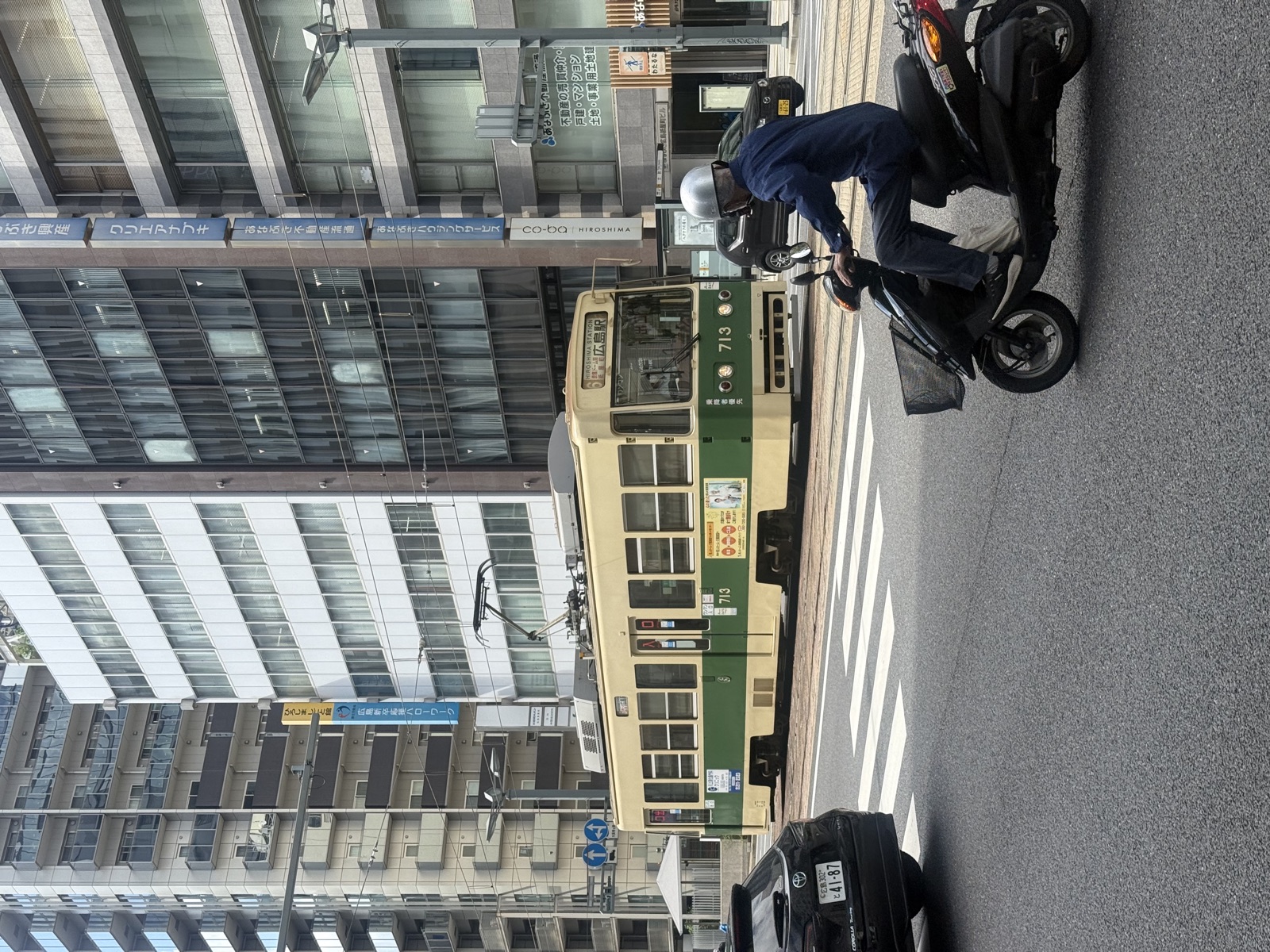
Outside of the August 6 gravity, late July in Hiroshima is summer in full force. The rainy season usually ends sometime in mid-July, and what follows is relentless sunshine and temperatures that routinely sit above 35°C by afternoon. The Hiroden streetcar cars are air-conditioned and I use them more than I care to admit just to escape the heat for a few stops.
The Otagawa riverside areas get busy in the evenings. Families with young children are out late because the heat keeps everyone inside through the afternoon, and nightfall brings a relative coolness that makes it bearable to be outside. Beer garden setups near the waterfront draw crowds, particularly on weekends. If you’ve read the Hiroshima beer gardens guide on this blog, those spots are at peak operation through July.
The Peace Memorial Park itself is worth visiting in late July specifically because it’s slightly less chaotic than the August 6 week itself. The crane memorial near the Children’s Peace Monument is often freshly stacked, volunteers from schools across Japan bring cranes through the summer months. Early morning is the only time to be there in comfort, temperature-wise. By 9 a.m. the stone surfaces are already radiating heat.
Attending the August 6 Ceremony
If you want to be present for the ceremony itself, the city opens the park to the public for certain areas starting very early in the morning. Security is stricter than normal — bag checks, restricted zones near the main ceremony stage, and a significant police presence. Getting there by 7 a.m. gives you time to settle somewhere with a sightline before the 8:15 bell.
The ceremony typically includes speeches from the mayor and the prime minister, prayers offered by hibakusha representatives, and a dove release. The Peace Declaration issued each year by the mayor of Hiroshima is the formal policy statement, directed toward nuclear disarmament. It’s covered extensively in local and national media.
For non-Japanese speakers, there’s simultaneous translation available via radio frequency in recent years, though I’d verify that detail closer to the date since it has changed depending on the year. The city of Hiroshima’s official site posts the ceremony logistics in English each year, usually by early July.
The Lantern Float in the Evening
This is the part most visitors don’t know about in advance. On the evening of August 6, paper lanterns are set on the Motoyasu River that runs alongside the Peace Memorial Park, flowing from the area near the Atomic Bomb Dome. The lanterns are lit with candles and float downstream as darkness falls. People write the names of those they’ve lost on the lanterns, or simply messages of peace.
The crowds for this are significant. The riverbanks fill up from around 6 p.m. onward, and the lanterns are set out gradually from around 7 p.m. through the late evening. If you’re tall enough to see over heads at the railing, the view from the Aioi Bridge is probably the most photographed angle. But honestly, finding a quieter spot along the river a few hundred meters downstream gives you more time to actually watch rather than navigate crowds.
Bring water. Bring a fan. The temperature after dark on August 6 is still somewhere around 28–30°C and the humidity hasn’t dropped. I can’t stress this enough for people coming from cooler climates — the heat on this particular evening, with the lanterns, the crowds, and the emotional weight of what you’re watching, is physically and emotionally tiring in a way that surprises people.
What to Do in Late July If August 6 Isn’t Your Focus
If you’re visiting in late July without planning around the anniversary, the city still has plenty going on. The Hiroshima Carp are deep into their summer schedule at Mazda Stadium, and a Carp game in July is one of the better summer evenings in the city, mostly because the stadium atmosphere makes the heat feel festive rather than punishing.
Sandankyo Gorge is worth considering for a day trip if you want actual relief from the city heat. The gorge is noticeably cooler than downtown, with the river running through limestone canyon walls. I went last August on a 38°C city day and it was a genuine 6–7 degree difference inside the gorge. The Sandankyo guide has the transport details.
The beach day trips to Ondo or Kure also come into their own in July. The water is warm enough to actually swim in from around mid-July onward. These aren’t dramatic beaches, but they’re accessible from the city in under an hour and feel like a completely different world from Peace Memorial Park. Hiroshima beach day trips covers the main options.
Practical Notes for Late July Visits
Clothing is simple: as little as you can get away with, with something light for sun coverage. A small hand towel or tenugui is more useful than sunscreen alone because you’ll be sweating constantly. Convenience stores sell these for a few hundred yen and they’re one of those Japan travel items that seems unnecessary until the second day.
Water bottle refill spots around Peace Memorial Park are limited. There are vending machines at most corners in the city, and a 550ml bottle runs around ¥130–160 depending on the machine. Budget for three or four of these on a full summer day out.
If you’re visiting for the August 6 ceremony specifically, book accommodation well in advance. The week surrounding August 6 sees significantly higher demand for central hotels, and last-minute options tend to be either far from the city center or expensive. The neighborhoods around Kamiyacho and Hatchobori are good bases if you want to be walking distance from the park.
A Few Places I’d Send a Friend To
Late July evenings call for something cold and calm after a day in the heat. MORETHAN Hiroshima in Otemachi is one of the few central options that bridges afternoon and evening without requiring a reservation — the cafe shift runs 14:00–17:00, and the dinner menu starts after 17:00. It’s a hotel restaurant on the ground floor of THE KNOT Hiroshima by Chuden-mae station, charcoal grill, seasonal ingredients, no formality. A long late-afternoon sit with something cold works well here before the streets get busy in the evening.
For something later, VUELTA is a small craft cocktail bar in Otemachi I drop into often. Sixteen seats, quiet, careful about ice and dilution. Walk-ins are fine most nights; worth booking ahead through their site if you’re coming on a Friday or Saturday in summer.