Hiroshima Rainy Day: A Local's Guide to Indoor Things to Do
Rain in Hiroshima? Here's what to do indoors — museums, covered arcades, okonomiyaki halls, and warm spots a local visits when the weather turns.
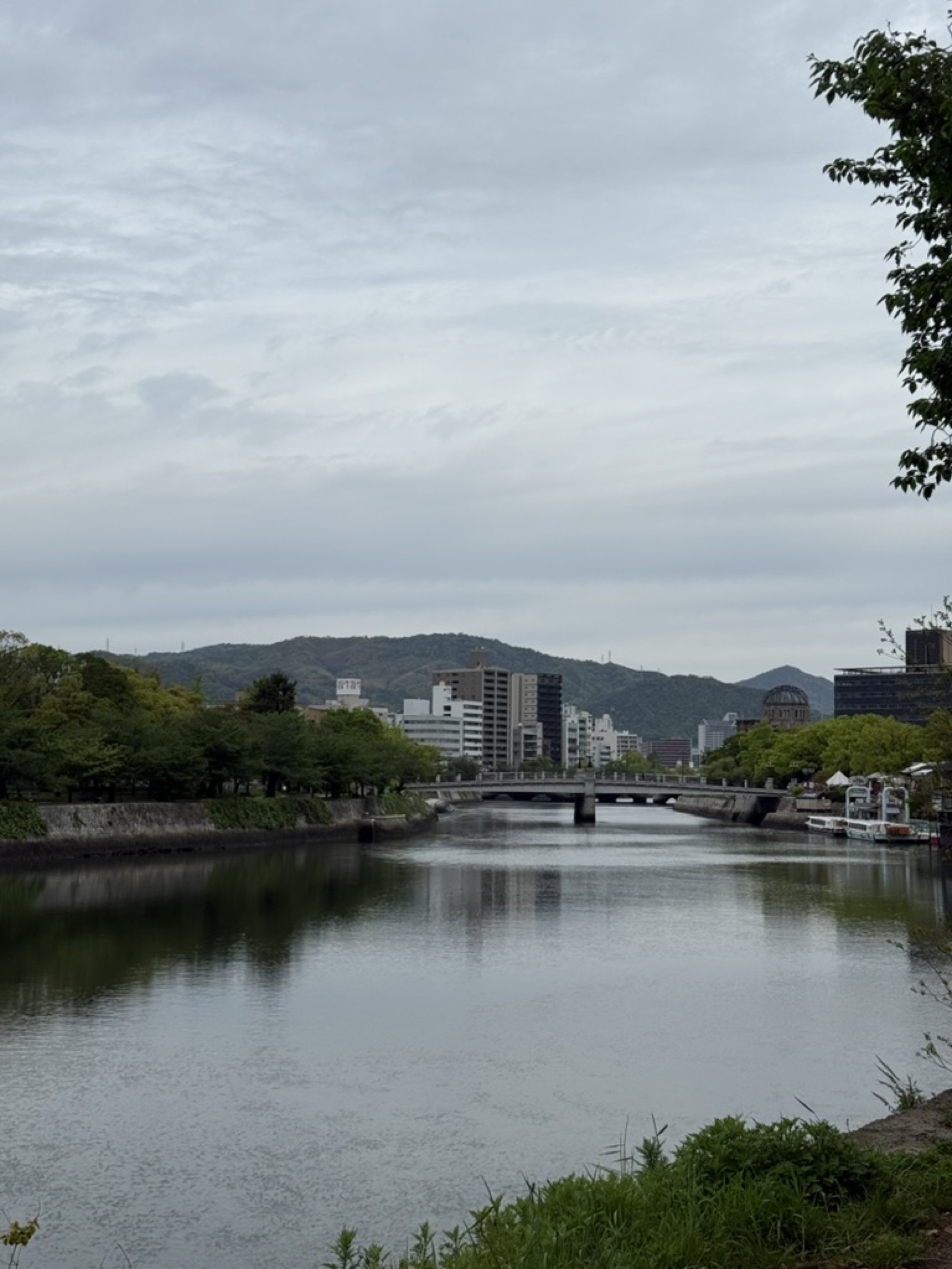
Rain hits Hiroshima often between mid-June and mid-July, but plenty of decent rainy days happen in spring and autumn too. If you’re checking your weather app and seeing solid umbrella icons across your trip dates, don’t panic. Most of what makes the city worth visiting is either indoors or under cover. I’ve lived here long enough to have built a mental list of where I duck into when it pours. The Peace Memorial Museum stays excellent regardless of weather, the Hondori and Hatchobori shopping arcades have actual roofs over them for nearly a kilometer of walking, and a lot of the better okonomiyaki places sit on upper floors with no exposure to the rain. This is the rainy-day rundown I’d give a friend who texted me at noon saying their morning plan just got washed out. What to do, what to skip, and which spots are actually a little better when the city is quieter.
A quick orientation
What follows isn’t a ranked list. It’s roughly the order I’d suggest depending on what kind of rainy day you’ve got — drizzle, downpour, all-day soak. If you only do one thing on a wet day, it should be the Peace Memorial Museum, full stop. It takes two to three hours, and the gravity of the visit is honestly heightened when you step out into grey weather. If you’ve already done that, the next move is the covered arcades for lunch and browsing. The rest is about pacing yourself. Skip Miyajima on a rainy day unless you’ve already booked a hotel there. The crossing is fine, but the island shrinks dramatically when you can’t walk the trails or sit by the water.
What Hiroshima’s Rainy Season Actually Looks Like
Hiroshima’s tsuyu (rainy season) usually runs from around June 10 to July 20, give or take a week. It’s not constant rain. You get long humid stretches with afternoon downpours, mornings of drizzle that clear by lunch, and the occasional three-day soak. Locals don’t really cancel plans for it. We just carry a folding umbrella from May through July as a default, and every conbini sells transparent vinyl umbrellas for about [VERIFY: current price, roughly ¥600] if you forget yours.
Outside tsuyu, Hiroshima gets occasional rainy days year-round, with September typhoon-tail systems being the wettest interruption. The Seto Inland Sea side of the prefecture stays drier than the Sea-of-Japan side year-round, which is one reason this region historically grew good oranges, lemons, and oysters. So even when it’s raining hard in Hiroshima city, day trips to Onomichi or Kure might still work. Worth checking the prefectural weather map before writing off the whole day.
The Peace Memorial Museum: The Obvious Rainy-Day Move
Of all the indoor things in Hiroshima, this is the one that doesn’t depend on weather and arguably benefits from it. The museum sits in the middle of the Peace Memorial Park, and on a sunny day a lot of visitors split their time between the exhibits and the outdoor cenotaph, A-bomb dome, and surrounding monuments. On a rainy day, you naturally compress everything into the museum itself, which is the part that hits hardest anyway.
Plan for about two and a half hours. The exhibition was redesigned in recent years and the artifacts gallery in particular requires time and emotional space. The walk from the underground arcade exit near Hondori station to the museum entrance is mostly covered if you take the right side streets, but expect to get wet for the last 200 meters or so. Bring an umbrella, and don’t bother with a hood.
For current opening hours and admission, check the official museum site before going. Brief closures around new-year. If you want a fuller read on what to expect, I wrote about the experience in more detail in our Peace Memorial Museum reviews post.
Hondori and Hatchobori: The Roofed Arcades
This is the city’s de facto rainy-day living room. Hondori is the covered shopping arcade that runs from near the Peace Park east toward Hatchobori, and it links up with the Hatchobori arcade to form roughly 1 km of continuous roofed walking. You can browse shops, eat, get coffee, kill a few hours, and stay dry the entire time.
It’s not all interesting. Plenty of mid-range chain shops, drug stores, and the occasional crane game arcade. But there are pockets worth seeking out. Andersen, the Hiroshima-born bakery that essentially popularized Danish-style bread in postwar Japan, sits on Hondori and has a sit-down cafe upstairs. Hands (the rebranded Tokyu Hands) is a few minutes off the arcade and is the kind of department store where you can spend two hours just looking at stationery. There’s a Tower Records that still feels like 1998 in the best way.
Around lunch, peel off into one of the side streets between Hondori and the Motoyasu river. Several of the better okonomiyaki places and a handful of ramen counters live on the second or third floors of small buildings just off the arcade. You’ll get a little wet between buildings, but not much.
Okonomimura and Ekimae Hiroba: Eat Indoors
If you want okonomiyaki and don’t want to walk far in the rain, the two purpose-built food halls solve this for you. Okonomimura in central Naka-ku is a four-floor building stacked entirely with okonomiyaki stalls. Each floor has eight to ten teppan counters, and you walk around until something looks right. Quality varies stall to stall, but the average is fine and the experience of choosing is part of the fun.
The other option is Ekimae Hiroba on the second floor of the building immediately outside Hiroshima Station’s south exit. Smaller, fewer choices, but easier if you’ve just arrived and want to eat before figuring out the city. The version of okonomiyaki you get is more polished and slightly more expensive than the casual versions you’d find in residential neighborhoods, but it’s a fair introduction.
A quick note on Okonomimura: it gets a mixed reputation. Some say the food halls are tourist-leaning. I disagree. The teppan-counter format is the original way okonomiyaki was eaten in Hiroshima after the war, and Okonomimura preserves that pretty well. Just don’t go expecting the single best okonomiyaki in the city. Go for the experience of choosing among twenty-some stalls under one roof. If you want a wider list of options across the city, our okonomiyaki local picks guide has more.
Hiroshima MOCA, Shukkeien, and the Castle
For an art day, the Hiroshima Museum of Art near the castle has a small but solid collection of late-19th-century European and Japanese impressionist-adjacent work. Compact, indoor, easy to spend ninety minutes in. The Hiroshima Prefectural Art Museum sits next to Shukkeien garden and has a covered walkway connecting them, which is useful in rain.
Shukkeien itself is technically outdoor, but it’s small and you can walk most of it in 30 minutes under an umbrella. Honestly, the garden looks better in rain. The mist on the pond and the wet moss against the stone bridges is the look you see in old landscape paintings. If the rain is light, this is a worthwhile detour.
Hiroshima Castle is also nearby but mostly exterior. The interior of the reconstructed donjon is a small museum and worth a quick look if you’re already wet. I wouldn’t make it a destination on a heavy rainy day, but it pairs well with the art museum and garden as a half-day loop. There’s more on the castle’s history in our Hiroshima Castle after the bomb post.
Mazda Museum: The Industrial Day Trip
If you’ve already done the museums and the arcades, the Mazda factory tour and museum is a genuinely interesting half-day. It’s about a 20-minute Sanyo Line train ride from Hiroshima Station to Mukainada, then a short shuttle from the station to the Mazda HQ. The tour is indoor, includes a working assembly line viewing, and the museum has a deep car-history collection including some genuinely beautiful 1960s and 70s models.
Reservations are required and they fill up. [VERIFY: confirm current English-language tour schedule and booking URL on the official Mazda page]. Tours run multiple times a day on weekdays. Doesn’t operate on weekends or some holidays, so plan ahead.
The other indoor day-trip option is the JMSDF Kure Museum, also a 30-minute train ride south. Submarine and battleship history, with an actual decommissioned submarine you can walk through. Strong for anyone with an engineering or military-history interest. Skip if neither appeals.
Hot Baths When the Rain Won’t Stop
For an actual rainy-day reset, head to a sento or onsen. Within the city itself, your best bet is one of the super-sento facilities in the outer wards. Nothing fancy in central Hiroshima, but for a few hundred yen plus extras you get a serious hot-bath circuit, sauna, and a place to read a magazine for two hours while it rains outside.
For a real day trip, Yuki Onsen is about an hour northwest by bus and has proper hot-spring inns where you can do a day-use visit without staying overnight. It’s a 45 to 60 minute ride from the city. Probably the most under-rated rainy-day move in the prefecture. You sit in an outdoor rotemburo, watch the rain hit the stones, and forget the weather is even a problem.
Things to Skip on a Rainy Day
Miyajima is the obvious one. The ferry runs fine, Itsukushima Shrine is still beautiful in light rain, and the deer don’t mind. But the rest of the island shrinks to two streets of arcade-roofed shops, which sounds nice until you realize you’ve planned a full day there. The Mt. Misen hike or ropeway is the real reason most people go, and neither works in heavy rain. If your trip dates are flexible, push Miyajima to a sunny day. If they’re not, see the shrine, eat momiji-manju for lunch, take the early afternoon ferry back, and spend the rest of the day on this list. Our Miyajima access guide covers the ferry logistics if you do go.
I’d also skip the riverside walks along the Motoyasu and Ota rivers if it’s actively raining. Pleasant in nice weather, miserable when wet.
Where I Drink in Hiroshima
Three places I’d send a friend to, ordered roughly by how the rain affects them.
If you’re stuck inside in the afternoon and don’t want to wait until 7 p.m. to drink, Bar Upstairs on Yagenbori-dori opens at 14:00, which is genuinely rare in this city. The owner came out of the Hotel Granvia bar program and the place has a small cafe menu (coffee, Napolitan pasta, that kind of thing), so you can ease into an afternoon cocktail rather than ordering whisky neat at 3 p.m. like a degenerate. Fifth floor, view is fine even in rain.
FAQ
Is the Peace Memorial Museum open in the rain? Yes. It’s a fully indoor museum and stays open regardless of weather. The walk from the nearest tram stop or station is the only stretch exposed to rain, so bring an umbrella.
When is Hiroshima’s rainy season? Tsuyu runs roughly from June 10 to July 20, but exact dates vary year to year. The Japan Meteorological Agency announces the official start and end each season. Outside tsuyu, autumn typhoons in September can bring multi-day rain.
Can I still visit Miyajima on a rainy day? Yes, but the experience shrinks. Itsukushima Shrine is fine in light rain and the ferry runs regardless. The Mt. Misen hike or ropeway is where most of the day-trip value sits, and neither works well in heavy rain. Save Miyajima for a sunny day if your dates allow.
Are the Hondori and Hatchobori shopping arcades fully covered? Yes. Both have permanent roof structures and connect into roughly 1 km of continuous dry walking through central Hiroshima. Many of the side streets between them are not covered, so plan your duck-in points if it’s really pouring.
What’s the easiest indoor day trip from Hiroshima city? The Mazda Museum factory tour in Mukainada is a strong choice. About 20 minutes by Sanyo Line train, fully indoor, and reservations are required. The JMSDF Kure Museum is another solid option, 30 minutes south by train.