Hiroshima Rainy Season: A Local's June Travel Guide
Tsuyu hits Hiroshima in early June. A local's guide to what to expect, what to pack, hydrangea spots, and indoor places worth a rainy afternoon.
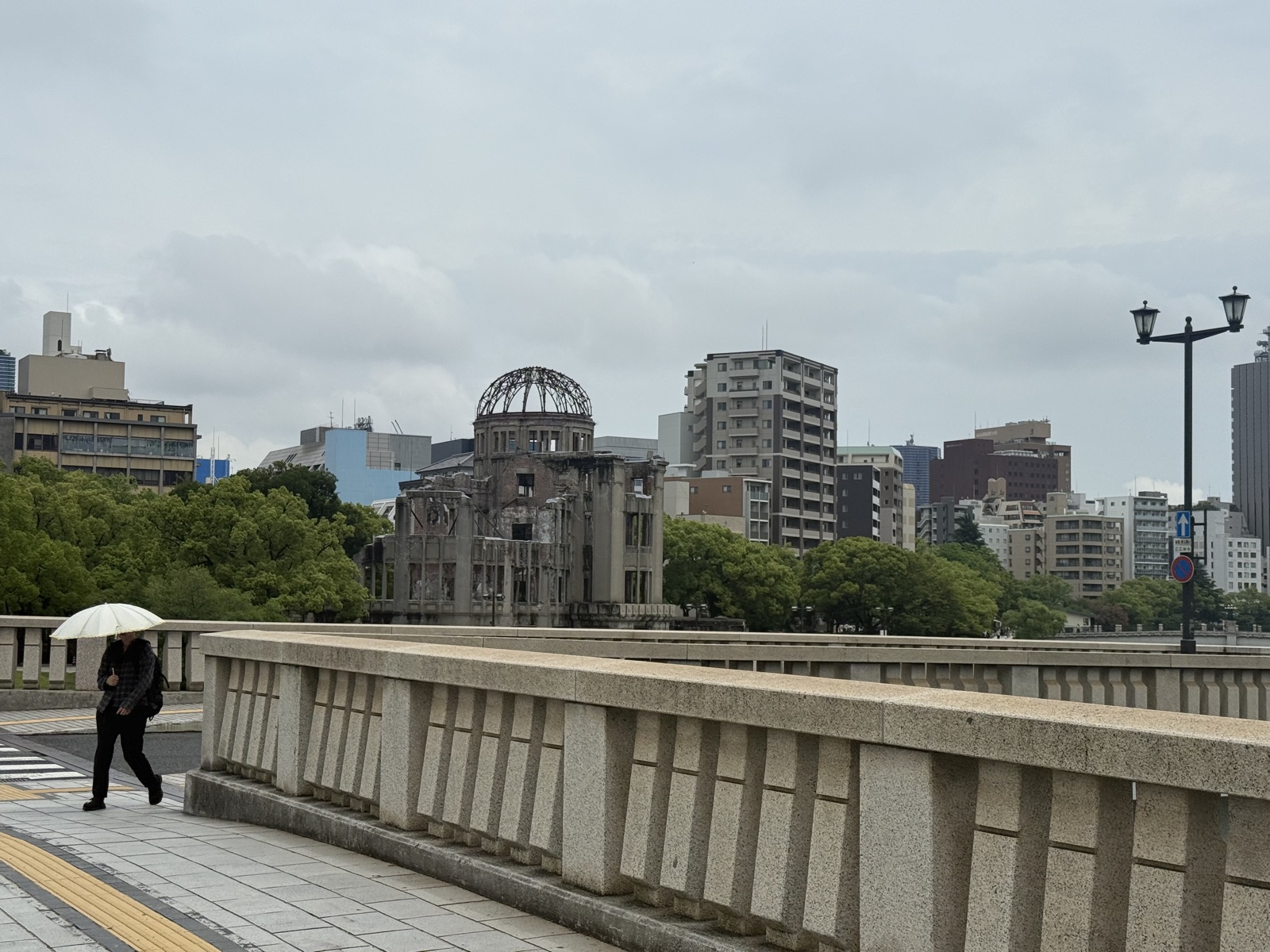
Tsuyu, Japan’s rainy season, usually settles over Hiroshima in early to mid June and lingers for about six weeks. If you’re planning a trip in June, that one fact shapes nearly every decision you’ll make: when to walk to Peace Park, whether Miyajima is worth a half-day, what to throw in your suitcase. The honest version isn’t dramatic. Hiroshima in tsuyu isn’t six weeks of constant downpour. It’s more like long humid days with afternoon showers, two or three genuinely heavy days a week, and stretches of muggy overcast that aren’t quite rain. I’ve lived here through several rainy seasons now and I still get caught out without an umbrella maybe once a week. The forecast is fine, the sky just decides otherwise. This guide is what I’d actually tell a friend visiting Hiroshima in June. What to pack, what to expect, where to go when the rain shows up, and the small upside June has over peak tourist months.
When Tsuyu Actually Starts
The Japan Meteorological Agency typically declares tsuyu for the Chugoku region (which includes Hiroshima) around June 6, though the date shifts a few days either way each year. The declaration sounds more dramatic than it is. It just marks the point when the seasonal rain front locks over western Japan. Some years it slips and we get a bright dry first week of June. Other years it arrives early and late May already feels muggy. The pattern usually breaks in mid-to-late July, which is when summer proper begins. If you’ve been reading along, my late-May guide to outdoor picks before the rainy season is the chapter just before this one.
What June Rain in Hiroshima Actually Looks Like
The forecast app will show rain symbols on most days of your June trip, and that scares people off. The reality is more uneven. Plenty of June days have a few hours of showers and long stretches of dry overcast. Truly heavy rain hits maybe two or three days a week, sometimes fewer. The harder part is humidity, which sits around 80% and makes a warm day feel hotter than it is.
Mornings tend to be clearer than afternoons, so if you’re hiking Mount Misen on Miyajima or walking the Peace Park loop, doing it before noon is a real strategy. The river breeze along the Motoyasu and Honkawa cuts the humidity enough that the Peace Park area feels noticeably less stuffy than the covered shopping arcades inland.
One thing the forecast won’t tell you. Rain in Hiroshima often arrives as a sudden 30-minute squall rather than a steady all-day drizzle. You can sit out most of them in a cafe.
What to Pack
Bring a folding umbrella from home or buy one for around 600 yen at any 7-Eleven or Lawson the moment you arrive. Quick-dry trousers or shorts beat jeans by a wide margin, because once jeans get wet they stay wet for hours in this humidity. A pair of sandals or shoes you don’t mind soaking is more useful than waterproof boots, since the issue here isn’t cold rain, it’s puddles you weren’t planning on stepping in. Bring a thin long-sleeve layer too. Trains, museums, hotel lobbies, and most restaurants run their air conditioning hard from June onward, and stepping in soaked from outside into a 22-degree room is the easiest way to catch a cold mid-trip.
When the Rain Wins, Go Indoors
If a heavy day hits, the Peace Memorial Museum is the obvious anchor and easily holds two to three hours. The Hiroshima Prefectural Art Museum next to Shukkeien is a calmer choice and pairs well with a covered walk through the garden if the rain eases. Most central indoor spots are linked by the Hiroden streetcar. The museums, the department stores around Hatchobori and Hondori, and the underground Shareo arcade can all be reached without much exposure to weather. I’ve put together a longer guide to indoor things to do on a rainy day in Hiroshima if you want specific picks.
The Upside: Hydrangeas, Quieter Streets
Hydrangea bloom is the trade-off June gives you. Mitaki-dera up the hill behind Yokogawa and Shoukei-en in Hatsukaichi both have serious ajisai displays through mid-to-late June, and there’s a full guide to hydrangea spots around Hiroshima if you want to plan around the bloom. Shukkeien has irises through the first half of the month. The light during tsuyu is soft and even, which is why Japanese photographers treat it as a strong season for garden and temple shots even though it’s officially the worst weather window of the year.
Tourist numbers thin out compared to the April crush and the Golden Week tail. Hotel rates dip a little too. Honestly, I prefer late June over April for actually walking around the city. The cherry-blossom crowds are exhausting. The rain crowds aren’t.
Miyajima and Peace Park in the Rain
Miyajima still works in the rain. The ferry runs in nearly all conditions, the deer ignore the weather entirely, and the five-story pagoda and Itsukushima Shrine itself are partly covered. The one thing to skip is the Mount Misen ropeway. Low cloud means no view, and the summit walk gets slippery and miserable in steady rain. Stay on the shore loop, eat anago meshi for lunch, take the ferry back. Peace Park is open-air but the Peace Memorial Museum is the heart of any visit anyway, and the walk along the Motoyasu river under an umbrella has a quietness you don’t get on bright weekends. For more on the island itself, my Miyajima travel guide covers the full visit.
Places I Actually Go in Hiroshima
For a long indoor lunch or a hotel-style dinner that doesn’t require booking weeks ahead, MORETHAN Hiroshima on the ground floor of THE KNOT Hiroshima is the place I default to. It runs from breakfast through dinner with a cafe stretch in the afternoon, the charcoal grill does a serious job with seasonal Hiroshima ingredients, and the room is big enough that a rainy lunch doesn’t feel like you’re crammed in. Useful when the weather has pushed you off whatever outdoor plan you had. There’s a longer rundown of nearby food in my Otemachi food guide.
For an evening drink, Bar Alegre on the third floor in Horikawacho is one of my favorite places to sit out a rainy night. It’s a speakeasy-styled room with classic cocktails and whisky, the owner has over twenty-five years of hotel-bar experience, and the low entry door makes you bow as you step in. Atmospheric in a way that suits a wet evening.
Closer to home in Otemachi, VUELTA is a small craft cocktail bar I drop into often. Sixteen seats, quiet, serious attention to ice and dilution. Walk-ins are usually fine, and there’s a booking page on their site if you want a counter seat on a Friday or Saturday.
FAQ
When does the rainy season start in Hiroshima? The Japan Meteorological Agency typically declares the start of tsuyu for the Chugoku region around June 6, though the date shifts a few days year to year. The rainy front usually breaks in mid-to-late July.
Is it worth visiting Hiroshima during the rainy season? Yes, with realistic expectations. June rain is uneven rather than constant, hydrangea bloom adds a real upside, and crowds and hotel rates are both noticeably softer than in April or autumn. Bring an umbrella and quick-dry clothes and you’ll be fine.
Is Miyajima open in the rainy season? Yes. The ferry runs in nearly all weather, Itsukushima Shrine is partly covered, and the deer don’t mind the rain. Skip the Mount Misen ropeway if the cloud is heavy, since there’s nothing to see from the summit.
What should I pack for Hiroshima in June? A folding umbrella, quick-dry trousers rather than jeans, sandals or shoes you don’t mind getting wet, and a thin long-sleeve layer for over-air-conditioned indoor spaces. Convenience stores sell perfectly good umbrellas for around 600 yen if you forget.
Are there fewer tourists in Hiroshima during tsuyu? Compared to cherry-blossom season in April and Golden Week, yes, noticeably. Peace Park and Miyajima are still busy on weekends but feel manageable, and weekdays in mid-June are some of the quietest visiting conditions of the year.