Hiroshima Riverside in Early Summer: A Local's Guide
What to do along Hiroshima's rivers in early summer, before the rainy season locks in. A local's guide to evening walks, riverside terraces, and timing.
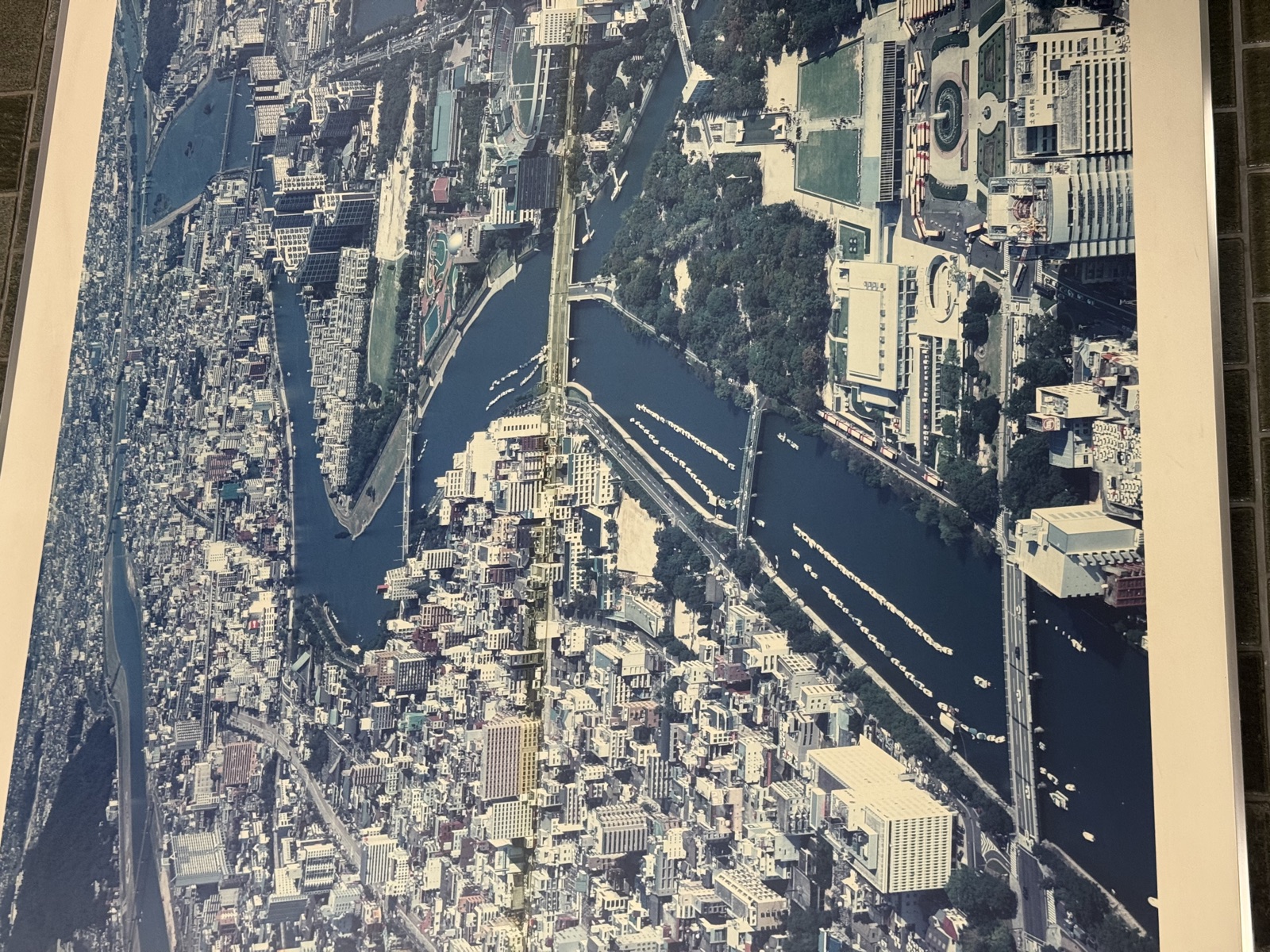
Early June is the short window in Hiroshima when the rivers are at their best and the rain hasn’t fully settled in yet. Evenings are warm but not sticky, the light hangs around past seven, and the open-air terraces along the water are open without being packed. I live here, a few minutes from the Otemachi side of the Motoyasu, and this is the stretch of the year I walk the riverbanks most. Hiroshima is a delta city, six rivers fanning out to the bay, and a lot of visitors only see one of them, the one that frames the A-Bomb Dome, before moving on. That’s a shame, because the rivers are how the city actually breathes. This is a guide to using them in early summer, while the weather still cooperates. Where to walk, when to go before the crowds and the tsuyu rain arrive, and how to read a forecast that changes by the hour this time of year.
A City Built on Water
Hiroshima sits on a delta. The name itself points at it, the “wide island” pulled apart by branches of the Ota River as it reaches the Seto Inland Sea. Six waterways run through the center, and almost everywhere you stand downtown you’re within a few minutes of one. Most people clock this only at the Peace Memorial Park, where the Motoyasu River curves past the Dome, and then forget about it.
Early summer is when the rivers stop being scenery and start being usable. By the first week of June the cherry blossom crowds are long gone, the heat hasn’t turned brutal, and the grassy banks are green. Walk the embankments at dusk and you’ll pass joggers, students sitting on the steps with convenience-store cans, and the occasional sea kayak going by. It feels like a city using its own front yard.
The catch is timing. The Chugoku region’s rainy season, tsuyu, usually arrives around the second week of June and runs into mid-July. So this first stretch of the month is a genuine window. Some years it opens early and the rain beats you to it. Check the forecast the night before rather than trusting a week-ahead prediction.
The Riverside Terraces
Hiroshima has spent years opening up its waterfronts, and the result is a string of cafe and bar terraces built right onto the embankments, mostly along the Kyobashi and Motoyasu rivers. Locally these open-air riverside spots get grouped under the “Kawamachi” idea, the river-town concept the city has leaned into. In the warm months the terraces put tables out over the water, and on a clear early-June evening there are few better places in the city to sit with a drink.
The stretch near Peace Boulevard and the one running up toward Heiwa-Odori have the most options. Some are full restaurants, some are simple decks attached to a cafe. Menus and hours shift with the season and the weather, and terraces close fast when rain threatens, so I won’t pretend to quote you opening times that may have changed. [VERIFY: current seasonal terrace operating dates and hours for the Kyobashi-gawa riverside cafes]. If you want certainty, the safe move is to walk the bank around 5 or 6 pm, see what’s open, and grab a table before the after-work wave.
Honestly, the food at these places is rarely the point. You’re paying for the seat and the water. Eat properly somewhere else and come here for a beer or a coffee as the light goes.
An Evening Walk Worth Doing
My standard early-summer loop starts at the Peace Memorial Park around an hour before sunset. The park itself is busy until late afternoon, but it empties out as the day-trip buses leave, and by six it’s mostly locals. From the Dome you can follow the Motoyasu south, cross over near Peace Boulevard, and pick up the Kyobashi or come back up the Otemachi side.
The whole thing is flat, maybe 35 to 45 minutes at a slow pace, longer if you stop. There’s no entry fee anywhere, no ropeway, no ticket. Just the water and a changing set of bridges, each one a slightly different vintage of postwar concrete and steel. Sunset in early June lands somewhere around 7:15 pm. [VERIFY: exact Hiroshima sunset time for the first week of June]. Aim to be on a west-facing bank for it.
If you’d rather not plan a route, you can’t really go wrong. Pick a river, walk along it until a bridge looks interesting, cross, and walk back the other side. The grid is forgiving and you’re never far from a streetcar stop when your legs are done.
When to Go, and When Not To
The rivers reward off-peak timing more than almost anything else in the city. Weekday evenings are calm. Weekend afternoons near the Peace Park can get dense with tour groups, but even then the crowd thins quickly as you move a few hundred meters downriver, away from the Dome.
Mornings are underrated. I’ve walked the Otemachi bank at seven on a weekday and passed maybe a dozen people, mostly dog walkers and one guy doing tai chi. The light is soft, the air is still cool, and the cafes that do breakfast are just opening. If you’re up anyway with jet lag, this is the better half of the day for the water.
The one window to avoid is right after heavy rain. The Ota system can run high and fast, and the lower embankment paths sometimes flood or get roped off. That risk climbs once tsuyu sets in, which is the real argument for doing this early in the month rather than waiting.
What to Wear and What It Costs
Early June in Hiroshima is mild but humid, and the humidity is the part visitors underestimate. Daytime highs sit in the mid-20s Celsius, evenings drop a few degrees but stay comfortable. The sun is strong by midday even when it isn’t hot.
Rough planning numbers for the first half of June:
| Item | Typical range |
|---|---|
| Daytime high | 24–28°C |
| Evening | 19–22°C |
| Rain probability | rising through the month |
| Riverside walk cost | free |
| Drink on a terrace | [VERIFY: typical price] |
Pack light layers, something breathable, and a small folding umbrella regardless of the morning forecast, because June flips on you. A sun hat earns its space if you’re out at midday. You don’t need anything more technical than that for a riverbank stroll. Comfortable shoes matter more than waterproof ones this early in the season.
Budget-wise, the rivers are the cheapest good thing in Hiroshima. The walk is free, the streetcar to reach any of it is a flat fare, and your only real spend is whatever you drink while watching the water.
Where I Eat and Drink Around Otemachi
The river loop drops you back near Otemachi most evenings, which is convenient, because that’s where I end up eating and drinking anyway.
If you want a casual, early-summer kind of stop before or after the walk, Lemon Stand Hiroshima over in Fukuro-cho is built around Hiroshima-lemon sours, natural wine, and raw oysters, with a bright yellow front you can’t miss. It runs as a standing bar in the evening and does a single-menu curry plate at lunch, so it bridges the afternoon-into-evening gap well. Good for a quick drink that fits the season.
For a proper sit-down meal that doesn’t need booking far ahead, MORETHAN Hiroshima on the ground floor of THE KNOT Hiroshima is a place I go often. Charcoal grill, seasonal Hiroshima ingredients, no dress code, and it’s open from breakfast straight through dinner, which makes it easy to drop into whenever the walk happens to end.
And if the night isn’t done, VUELTA is a small craft cocktail bar in Otemachi I drop into often. Sixteen seats, quiet, with serious attention to ice and dilution, the kind of room that suits a warm evening after a long walk. Walk-ins are fine, but you can book a counter seat through their site if it’s a Friday or Saturday.
FAQ
When does the rainy season start in Hiroshima? Tsuyu typically arrives in the Chugoku region around the second week of June and lasts into mid-July, though the exact start shifts year to year. Early June is usually still dry enough for riverside plans, but check the forecast a day ahead.
Are the Hiroshima riverside walks free? Yes. The embankment paths along all six rivers are public and free to walk at any hour. Your only cost is whatever you eat or drink at the terraces along the way.
What’s the best time of day for the rivers? Evening, roughly an hour before sunset, for the light and the cooler air. Early morning is the quietest if you’re up with jet lag. Avoid the banks right after heavy rain, when water levels run high.
Can I combine the riverside with the Peace Memorial Park? Easily. The Motoyasu River runs right past the A-Bomb Dome, so the park is a natural starting point. Visit the park in the late afternoon, then follow the water as the day-trip crowds clear out.
Is early June a good time to visit Hiroshima? It’s one of the better short windows. The spring crowds have gone, the heat hasn’t peaked, and the rivers and greenery look their best. The main risk is the rainy season arriving early, so build some flexibility into outdoor plans.