Hiroshima's Top 10 Attractions: A Local's Guide to History, Culture, and Nature
A local's guide to ten Hiroshima attractions worth your time: peace sites, Miyajima, the castle, Shukkei-en, Okonomimura, and a gorge nearby.
After living in Hiroshima for some time, I’ve come to think the city rewards visitors who plan beyond the obvious. The famous peace sites anchor most itineraries, but the city also holds gardens, temples, food halls, and gorges that round out a much fuller trip. These ten spots are the ones I keep coming back to when friends ask what to see, a mix of history, culture, and nature that holds up whether you stay for a day or a week.
1. Peace Memorial Park and the Museum
This is where most visits to Hiroshima begin, and for good reason. The park itself is quiet and open, with monuments scattered along the river that each carry their own piece of the story. Inside the museum, the personal artifacts and survivor testimonies land harder than any history book. I usually suggest setting aside a full morning, and bringing water if you’re visiting in summer.
2. The Atomic Bomb Dome
A UNESCO World Heritage Site preserved exactly as it stood in 1945. I still pass it often on my way through the city, and the way it sits beside ordinary daily life, with bicycles going past and office workers crossing the bridge, is part of what makes it so powerful. For the longer story behind the structure, see my guide to the Genbaku Dome.
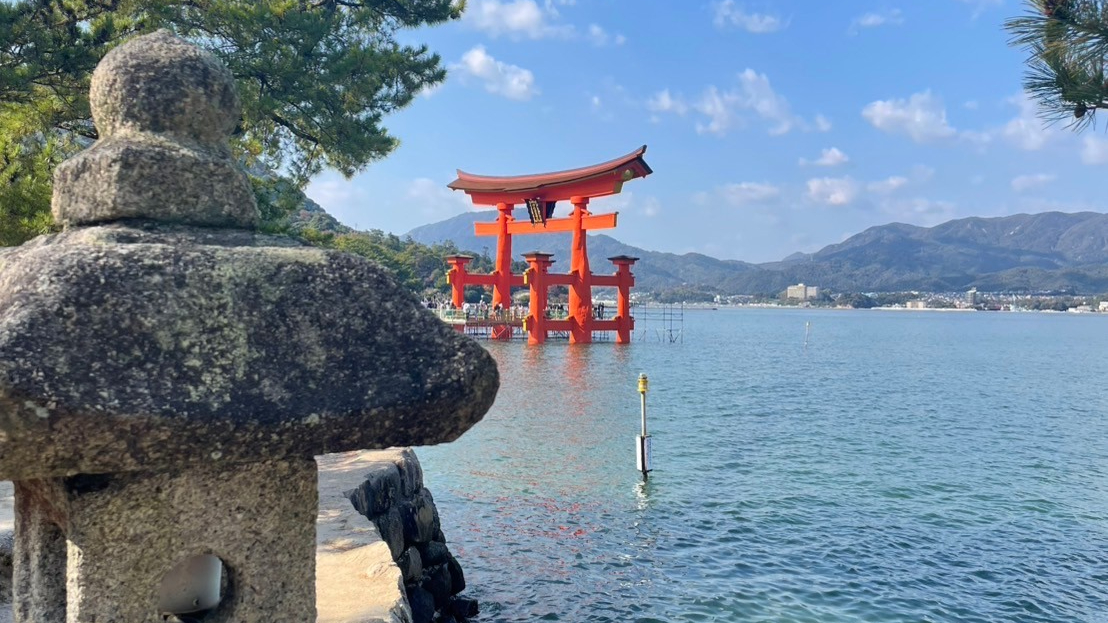
3. Itsukushima Shrine on Miyajima
The floating torii is famous for a reason, but the island itself is what stays with most people. Deer wander the paths, the shrine sits on stilts over the tide, and the back trails through the forest are easy to underestimate. I usually tell first-time visitors to give Miyajima a full day rather than rushing it after a museum morning. A full walk-through of the island is in a separate post if you want to plan in more detail.
4. Hiroshima Castle
Locals call it Carp Castle. The donjon you see today is a reconstruction, but it sits in the same broad moat surrounded by the same old trees, and the view from the top floor gives you a useful sense of how the city’s geography fits together. The grounds are pleasant to walk in any season. The castle’s post-war story is worth reading before you go.
5. Shukkei-en Garden
A traditional Edo-period garden a short walk from the castle. Miniature landscapes, koi ponds, stone bridges. I come here when I want a slow hour without leaving the city center. Autumn and early plum season are particularly good, and on a quiet weekday morning you can sometimes have a whole pond view to yourself.
6. Mazda Museum
The Mazda factory tour is a quietly excellent half-day, especially for anyone curious about how a regional company became a global car brand. It runs by reservation and includes a walk through an actual production line. Worth booking ahead if cars interest you at all, and Mazda Stadium next door is a natural pairing if there’s a Carp game that evening.
7. Mitaki-dera Temple
A mountain temple a short ride from the city center, tucked into a wooded ravine with small waterfalls and moss-covered stone Buddhas along the climb. Autumn is the most photographed season, but the temple is just as good in summer when the air is cooler under the trees. It’s the kind of place that feels much further from the city than it actually is.
8. Okonomimura
A multi-story building in Shintenchi packed with okonomiyaki counters, each one slightly different. It isn’t the only good okonomiyaki in the city, but the experience of choosing a counter and watching the cook layer cabbage, noodles, and egg in front of you is part of what makes Hiroshima feel like Hiroshima. My picks within the building are in a separate Okonomimura post if you want to narrow things down.
9. Hondori Shopping Street
The covered shopping arcade that runs through downtown. Brands, bookstores, cafes, small souvenir shops, and side streets that lead to unexpected places. I walk through Hondori most days, and it’s a good way to get a feel for how locals actually use the city. For context on which areas connect to Hondori and what each one is known for, the neighborhood guide is the companion piece.
10. Sandankyo Gorge
About an hour outside the city, Sandankyo is the natural counterweight to all the urban history. Clear water, tall rock walls, and trails that range from easy strolls to longer hikes. A good full-day escape if your trip runs more than three or four days, and one of the easier day trips to plan from central Hiroshima.
Putting It Together
Hiroshima rewards the visitor who balances heavy and light. A morning at the peace sites and an afternoon walking Hondori, or a day on Miyajima followed by an evening at Okonomimura: that kind of pairing is what most of my friends remember the most. None of these spots demand a tight schedule, and the city is small enough that you can adjust your plan on the day without losing much.