Is Hiroshima Worth Visiting in Winter?
Yes, Hiroshima in winter is genuinely worth it — smaller crowds, mild temperatures, and oyster season at its peak. A local answers the question honestly.
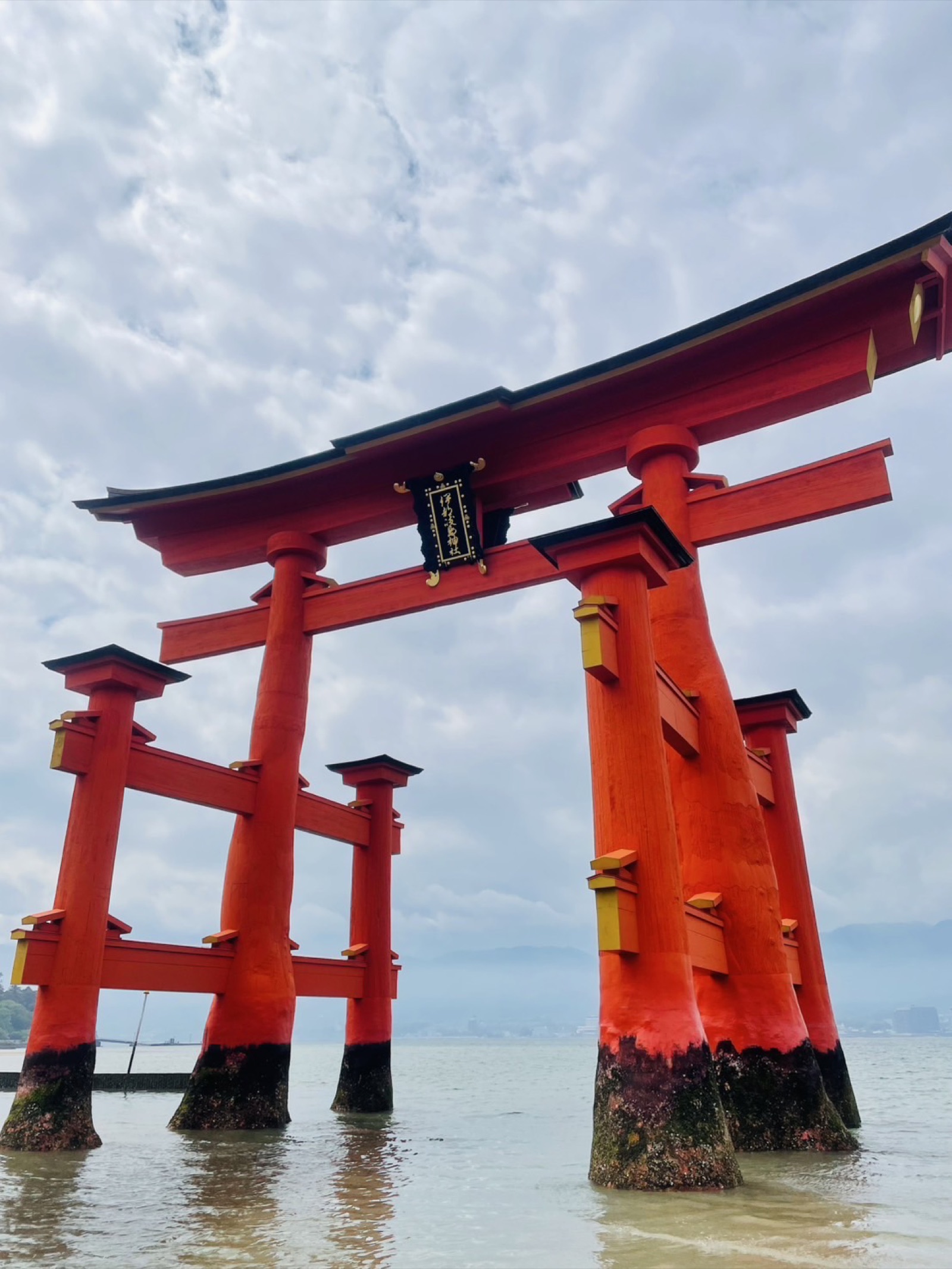
Yes, and honestly it might be the best time to come. That’s not a contrarian take for the sake of it — winter strips away the tour-group density that clogs Peace Memorial Park in spring and autumn, and what’s left is a city that’s actually easy to move around in. I’ve lived here long enough to have done the full calendar, and December through February has become my personal preference for showing people around. The weather is cold by Hiroshima standards but nothing dramatic — usually somewhere between 2 and 10 degrees Celsius on most days, with occasional frost early morning. Snow happens maybe a handful of days per year, and it rarely sticks past noon. The main thing you gain is space: space at Miyajima, space in the museum, space at the okonomiyaki counters without a queue out the door. What you give up is cherry blossoms, which isn’t nothing, but it’s one thing versus several.
When the Answer Is Clearly Yes
If you’re visiting for the history — Peace Memorial Park, the A-Bomb Dome, the museum — winter is almost ideal. The park sits along the Motoyasu River and is fully exposed on all sides, which means summer visits feel punishing and autumn weekends feel crowded. In January or February you can walk through the park at your own pace without dodging tour groups or stepping around people taking photos every three meters. The museum itself has no seasonal temperature problem since it’s indoors, but the shorter queues mean you can actually stay as long as you want rather than feeling the pressure of a line forming behind you.
Winter is also oyster season, and Hiroshima is one of the main oyster-producing regions in Japan. The harvest runs roughly from October through March, but the oysters are at their fattest and best in the coldest months — late December through February. If eating local seafood matters to you at all, this is the window to do it. You’ll find them grilled, fried as kaki-furai, or raw at any number of restaurants and market stalls around the city. Miyajima has a famous grilled-oyster strip along the main approach to the shrine, and in winter the combination of cold air and a hot shell fresh off the grill is genuinely one of the better food experiences I’ve had anywhere.
When You Might Hesitate
Miyajima on a very cold or rainy winter day is harder. The island is mostly outdoor walking, and if the weather turns gray and wet — which it does, sometimes for several days in a row in January — the experience flattens considerably. I’ve taken people out there in early February when the forecast looked clear and it shifted by mid-morning. It wasn’t ruined, but nobody was stopping to appreciate the deer. If Miyajima is the main draw for you, build in flexibility rather than committing to a single-day forced march from Hiroshima city.
The other honest caveat is that some of the outdoor attractions feel less alive in winter. Shukkeien Garden, for example, is beautiful in spring and autumn but loses most of its colour by December. You’re still welcome to walk through it, and there’s something quietly photogenic about bare maple branches reflected in still water, but if you’ve seen pictures of the garden in November foliage and you want that, go in November.
What the Crowds Are Actually Like
Small. Really noticeably small, especially compared to the October-November autumn peak. The Peace Memorial Museum draws visitors year-round, but the tour-group bottleneck eases substantially after mid-November. I went on a Tuesday in late January once and was essentially the only person in the second half of the permanent exhibition for about forty minutes. That might be an outlier, but it gives you a sense of what’s possible.
Miyajima is the same story. The main street from the ferry terminal to Itsukushima Shrine is usually so dense with people on autumn weekends that it’s uncomfortable — maybe 15 seconds between you and the next cluster. In January I’ve walked the same stretch with the deer to myself for long stretches, which feels like a different island.
The main exception is New Year’s period, roughly December 29 through January 3. Itsukushima Shrine draws serious domestic visitors for hatsumode (the first shrine visit of the year), and accommodation prices in the region reflect the demand. If you’re visiting in that window, book well in advance and manage your expectations around Miyajima specifically.
What to Actually Expect Weather-Wise
Hiroshima sits in the Seto Inland Sea basin, which moderates the climate more than people expect. Winters are cold but not severe by Japanese standards — Hiroshima doesn’t get the heavy snowfall of the Japan Sea coast. A typical January day runs maybe 3–9 degrees Celsius, sometimes colder overnight. Rain is more likely than snow. When it does snow, it’s usually light and melts fast, though a few times per decade you get a proper dump that catches the city slightly off-guard (the trams run slower, people’s umbrellas are suddenly in your face).
Layer for this kind of cold rather than packing for extreme conditions. The museums, restaurants, and streetcars are all well-heated. Where the cold actually gets you is the long outdoor walks: the Peace Park circuit, the Miyajima approach, Hiroshima Castle grounds. Wind off the rivers makes it feel colder than the temperature suggests. If you’re coming in December through February, the standard advice about a good mid-layer and waterproof outer shell is real.
Practical Notes for a Winter Visit
Openings are largely consistent year-round for the major sites, but confirm before you go — some smaller spots and ferry services on days with rough weather do adjust. The last ferry back from Miyajima is earlier than you might think even in non-winter months, so check the schedule. I’ve seen people miss it.
For food, lean into what’s seasonal. Oysters are the obvious answer but winter also means hearty nabe hotpot at izakayas, and the local ramen spots feel more appropriate in cold weather than they do in August. If you want a proper winter evening in Hiroshima, an izakaya in Nagarekawa or Yagenbori with something hot and a local beer is a very good use of two hours.
If you’re comparing winter to shoulder season, late October through November offers everything winter does except oyster-peak and low-crowd advantages, plus better colour at the garden and more predictable weather. But if spring and autumn are not options — work schedules, flight prices, whatever the reason — winter is a good choice, not a fallback.