Shimanami Kaido from Hiroshima: A Local's Cycling Guide
A local's guide to cycling the Shimanami Kaido from Hiroshima. Train logistics, bike rental, the realistic Setoda route, and what to skip.
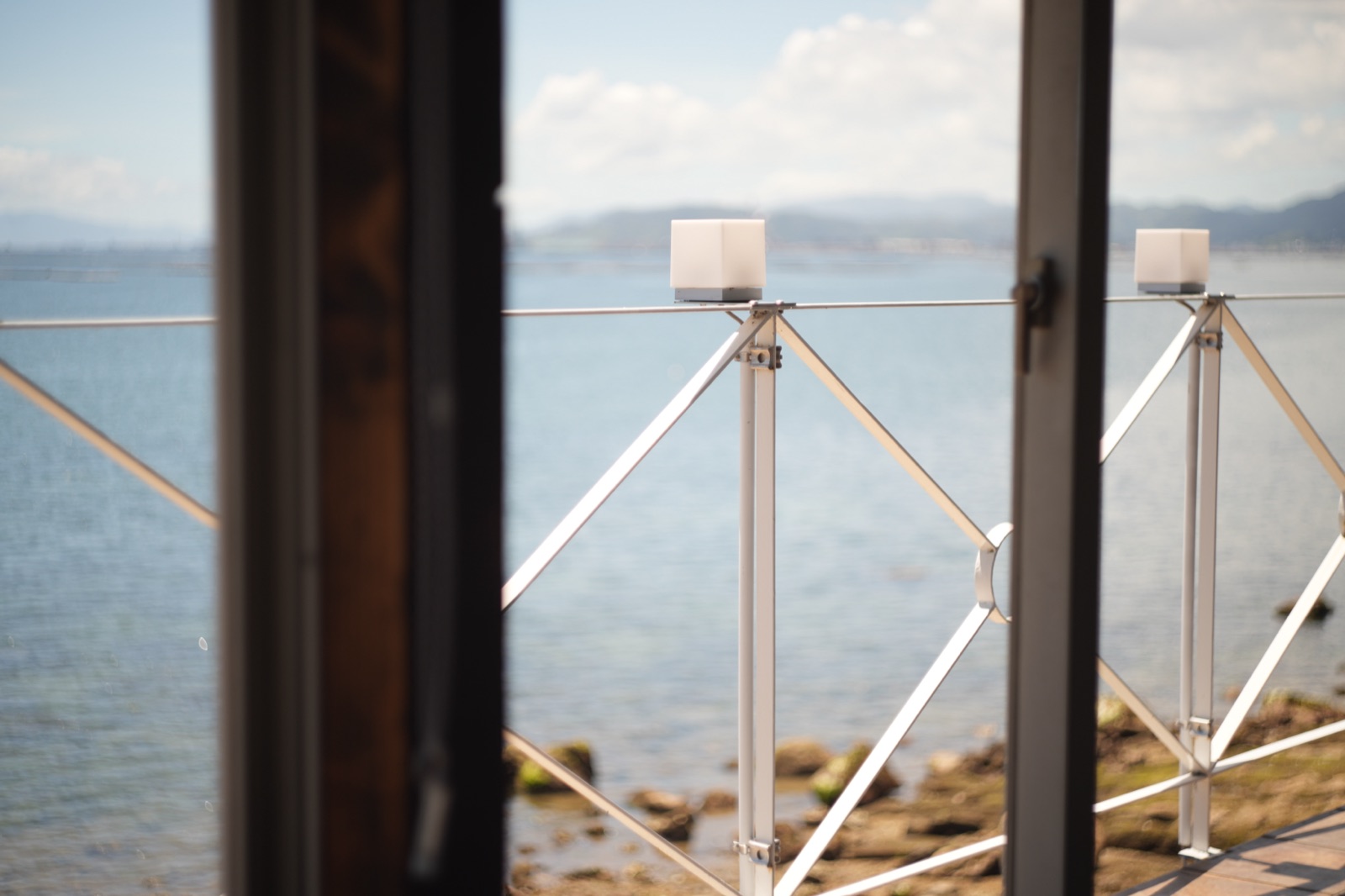
The Shimanami Kaido is a cycling route from Onomichi in Hiroshima Prefecture to Imabari in Ehime, crossing six islands and a chain of bridges across the Seto Inland Sea. Most travelers stay in Hiroshima city and wonder if it’s doable as a day trip. The short answer: yes, with the right plan. I’ve cycled it three or four times now and have helped friends figure out the logistics so they don’t end up stuck on an island when the rental return window closes. This guide is for travelers based in Hiroshima city who want to ride at least part of the Shimanami Kaido without committing to a full overnight on the islands. I’ll cover how to get to Onomichi, how the rental system actually works, which sections are worth riding if you only have a day, where to stop for lemons and gelato, and the parts most articles don’t mention, like the hill on Mukaishima you hit five minutes into the ride.
For most day-trippers, the realistic plan goes like this. Take an early train from Hiroshima Station to Onomichi, cross to Mukaishima by the small port ferry, rent a bike at the Onomichi or Mukaishima terminal, and ride as far as Setoda on Ikuchijima before turning back or catching a bus. Setoda is the natural lemon-and-gelato pivot point, about 30km in. The full crossing to Imabari is 70km and a different kind of trip; you stay overnight or you’ve trained for it. If you only do one thing on this route, do Setoda. The Tatara Bridge view comes just after, and the gelato shop near the port is the reward.
Getting from Hiroshima to Onomichi
Two realistic options. The local Sanyo Line train runs from Hiroshima Station to Onomichi in about 90 minutes, usually with one transfer at Itozaki. It’s the cheapest path and works for anyone with an ICOCA card. The shinkansen (Kodama only, since Nozomi and Sakura skip Shin-Onomichi) gets you to Shin-Onomichi in roughly 25 to 30 minutes from Hiroshima, but Shin-Onomichi station sits on the inland side of the city and you still need about a 15-minute bus or taxi ride to reach the port where the bikes are.
For a day trip, I usually take the early local train. The shinkansen saves time on paper but adds friction at both ends and the savings shrink once you factor in the bus to the port.
If you’re aiming for the full ride to Imabari, leave Hiroshima by 6:30 or 7:00 at the latest. For a Setoda turn-around, an 8:00 departure is fine. Trains run frequently in the morning so missing one is rarely a problem.
The Bike Rental System Explained
The Shimanami Kaido has a public rental network with multiple terminals spaced along the route. You pay a daily rental fee plus a refundable deposit. The key feature is one-way rental: you can pick up a bike on the Hiroshima side and drop it off at any of the participating terminals, including the Imabari end. You forfeit the deposit if you drop at a different terminal from where you rented, which is the system’s way of saying “you can do this, but it costs extra.”
For current rental fees, the list of open terminals, and e-bike availability, check the official Shimanami Japan rental site. I’m not going to quote a price here because they change, and the article you’re reading might be six months old by the time you find it.
E-bikes (electric-assist) are available at some terminals and are worth the upgrade if you’re not a regular cyclist, or if you’re planning to push past Setoda. The bridge approach ramps are long. On a regular city bike they add up by the end of the day in a way you don’t see coming on the map.
One practical note. Rental terminals close before sunset. Returning a bike to a closed terminal is the single most common rookie mistake on this route, and the only fix is an unplanned overnight on an island.
The Realistic Day-Trip Route: Onomichi to Setoda
For most travelers based in Hiroshima city, the answer to “how much of Shimanami can I do in a day?” is Onomichi to Setoda and back, or one-way with the bus return from Setoda. That’s roughly 30km of riding each way if you turn around, or 30km plus a 90-minute bus ride if you go one-way.
The route in brief: take the small port ferry from Onomichi to Mukaishima (it runs constantly and takes about five minutes), ride across Mukaishima, cross the Innoshima Bridge, ride across Innoshima, cross the Ikuchi Bridge, and you’re on Ikuchijima with Setoda as your target. The whole way is marked with a blue line painted on the road, so you don’t need a map to follow it.
Setoda is the right turn-around point because it’s the lemon capital of Japan. The town is small and walkable, with a cluster of cafes, a famous gelato shop right by the port, and the Hirayama Ikuo Museum of Art if you want a non-cycling break. Kosanji Temple on the same island is a kitsch-but-impressive complex some people love and others skip; if you’ve never seen it, it’s worth the detour at least once.
The Tatara Bridge between Ikuchijima and Omishima is the iconic view of the whole route, and you can ride to its base and turn around if you want the photo without committing to crossing onto Omishima.
The Full 70km Crossing to Imabari
If you want to do the whole thing in a day, you need to be a regular cyclist or on an e-bike, and you need to start early. Onomichi to Imabari is six islands and seven bridges, with the longest stretches across Omishima and Oshima after Setoda. The hills on Oshima are the hardest part of the route. Most casual riders underestimate them.
Done as a day trip from Hiroshima, the full crossing means you finish in Imabari in late afternoon, return your bike, and travel back through Matsuyama and onward, which is a long evening on top of a long day. Most people who do the full route stay one night in Imabari or Onomichi.
If you have two days, the honest recommendation is to ride one direction, stay overnight on Omishima or Ikuchijima, and ride the other half the next day. The middle islands are where the route actually lives, and rushing through them at hour six of a single-day push is not really riding them.
What to See Along the Way
The bridges themselves are the headline view, especially the Tatara Bridge with its diamond-cable design. Beyond that, the route has a few specific stops worth slowing down for.
On Ikuchijima, the Setoda waterfront is where most riders take their gelato break. The Hirayama Ikuo Museum of Art is dedicated to the Setoda-born painter and is one of the nicer small museums I’ve visited in Japan. Lemon orchards run up the hills behind town, and the smell is real in March and April, less so in late May once the flowering is done.
On Omishima, Oyamazumi Shrine is a 1,300-year-old Shinto site with one of the largest collections of historical armor and weapons in Japan. Most riders skip it because it’s a short detour off the main route, but it’s a worthwhile pause if you’re going the distance.
On Oshima, the Kirosan Observation Park gives you the panorama photo of the Kurushima Kaikyo bridges that you’ve seen on every Shimanami Kaido brochure. The climb up is real, especially on a regular bike at the end of a long ride. Honestly, if you’re already tired by Oshima, save Kirosan for next time. The bridges below look better than the climb feels.
When to Go (and When to Skip)
Late May, when I’m writing this, is one of the two best windows. Late October through early November is the other. Both avoid the heavy heat of midsummer and the rainy season in June, and both give you clear visibility across the islands.
Skip late June through mid-July. The rainy season is steady and the bridges in mist are not as photogenic as people pretend. Skip August unless you’re cycling at dawn; the islands have almost no shade and the heat is serious. Winter is doable but the bridge wind can be brutal and some rental terminals run reduced hours.
A weekday is much better than a weekend if you can manage it. Setoda gets busy on Saturdays and Sundays in the good seasons, and the gelato line can run 20 minutes when a few tour buses time it wrong.
Practical Info
A few specifics worth knowing before you go.
Local trains from Hiroshima to Onomichi run frequently in the morning. The trip is about 90 minutes including the Itozaki transfer. Kodama shinkansen plus the connecting bus from Shin-Onomichi totals roughly 45 minutes. ICOCA works on both legs.
Bike rental terminals open from morning until late afternoon, with the latest return time tied to sunset. Build in a buffer; finishing a long ride in the dark with rental panic is not how you want to end the day.
Bring a light rain jacket even in good weather. The bridge crossings have crosswinds, and the islands sometimes get a sudden shower the mainland doesn’t. Sunscreen matters; the route has almost no tree cover on the bridges. A water bottle and a charged phone are non-negotiable. Cash is useful at smaller island cafes, though most rental terminals take cards.
For current rental fees, terminal hours, e-bike availability, and seasonal closures, the official Shimanami Japan site is the source of truth.
My Hiroshima Regulars
After a day on the islands, here are a few places in central Hiroshima I default to. None of them are tourist secrets, but they’re the spots I actually walk to when I’m tired and hungry.
If you came back hungry and want something cheap and filling, Okkundo in Otemachi does Hiroshima-style mazemen with flat noodles and a soy-based sauce, and you pick your spice level from 0 to 7 at order. They’re open from 11 until late, which matters when your train back from Onomichi drops you in Hiroshima at an awkward hour. I usually go with level 3 and tell myself I’ll adjust next time.
For a casual drink with food, Lemon Stand Hiroshima in Fukuro-cho leans into the same Setouchi lemon theme you just spent the day cycling around. It’s a standing bar with lemon sours, raw oysters, and natural wine in the evening, and a single-plate curry shop at lunch. The bright yellow exterior is hard to miss if you walk down the right side of the Fukuro-cho arcade.
If you have one drink left in you and want something quieter, VUELTA is a small craft cocktail bar in Otemachi I drop into often. Sixteen seats, no music loud enough to talk over, and serious attention to ice and dilution. Walk-ins are usually fine on a quieter night, and you can book a counter seat through their site for Friday and Saturday.