Solo Dining in Hiroshima: A Local's Guide
A practical, honest guide to eating well alone in central Hiroshima — from weekday noodle lunches to late-night cocktails, by someone who does it regularly.
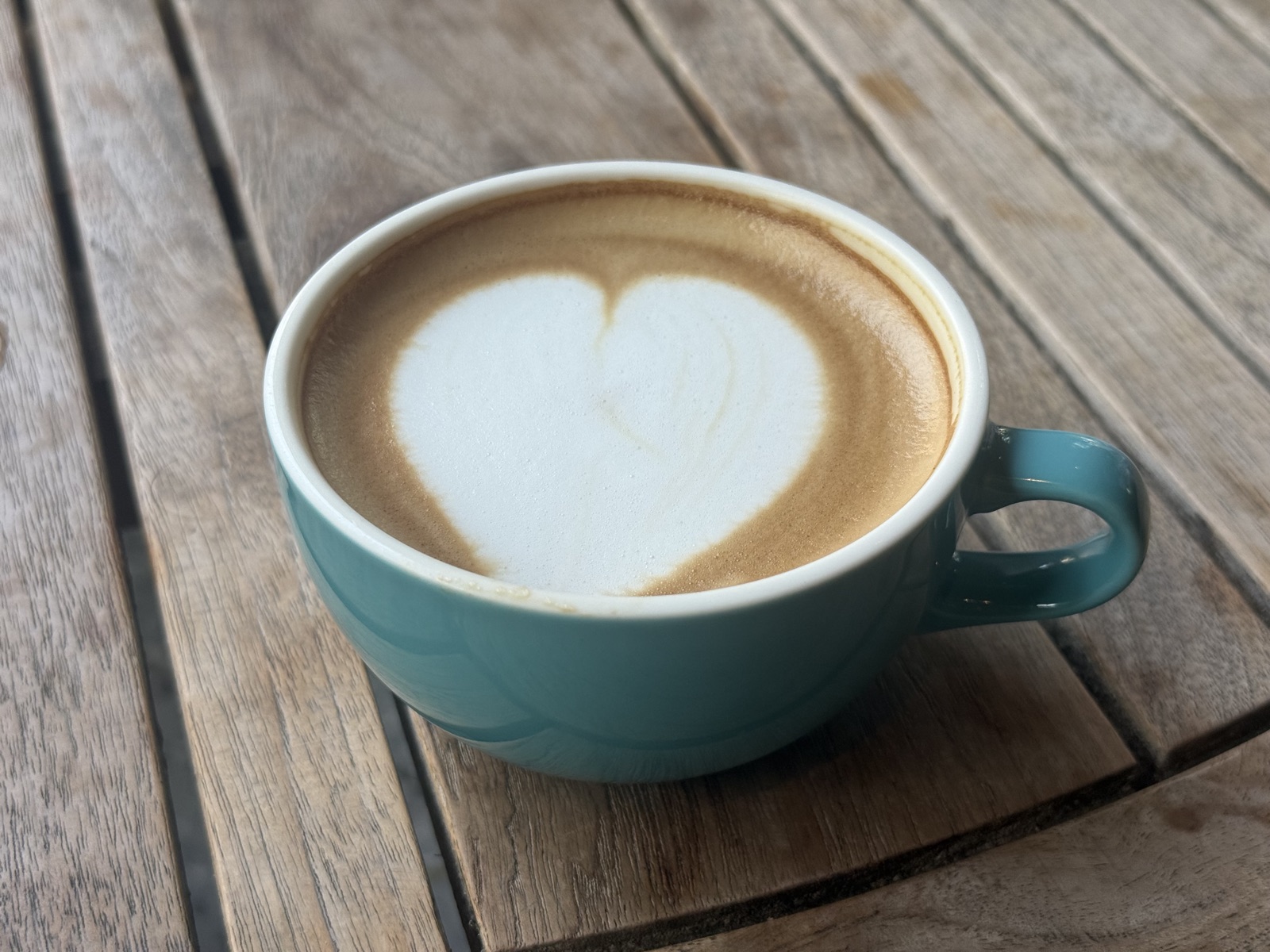
Solo dining in Hiroshima is, genuinely, one of the easier cities in Japan to figure out. That might sound like a low bar, but it isn’t — plenty of cities make eating alone feel like an afterthought, something you do by default rather than by choice. Hiroshima is different in a quiet way. Counter seats are common, staff in smaller places tend to leave you alone in the good sense, and the food culture skews toward individual portions and standing bars and noodle shops where a single diner at noon is completely unremarkable. I’ve eaten most of my meals in this city alone at some point or another, and what follows is the honest version of how to do it well — not a list of “solo-friendly” restaurants cherry-picked for optics, but a real account of how the day tends to unfold when you’re on your own in central Hiroshima.
Starting the Day: Coffee Before Anything Else
There’s a version of the Hiroshima morning that starts with a hotel breakfast, and that version is fine. But if you’re eating alone and you want to feel like you’re actually in the city, it’s worth walking to ARCHIVE COFFEE ROASTERS in Honkawa-cho first. They open at 8:00, the room is small and bright, and a solo visitor with a laptop or a book fits there without any social friction. The coffee is specialty-grade, the pace is unhurried. It’s the kind of place where you can sit for forty-five minutes and nobody will look at you twice.
I go there most Thursday mornings before anything else gets started. Once, maybe two winters ago, I arrived just after opening and the only other person there was someone reading a thick paperback in German. We didn’t speak. It was a very good hour.
If you’re doing the full day on your own, this is a reasonable place to anchor the morning and plan from there.
Weekday Lunch: The Noodle Options
Here’s a mild contrarian take: okonomiyaki at lunch, for a solo diner, is not always the move. It’s a sit-down experience that can feel a little ceremonious when you’re alone, and the good shops sometimes have queues. Nothing wrong with it, and if that’s why you came to Hiroshima, by all means. But on a weekday, when you want something quick and satisfying and unmistakably local, noodles make more sense.
For mazemen specifically — which is Hiroshima’s version of a brothless, intensely seasoned noodle dish — Okkundo in Otemachi is the place. They open at 11:00 and run through to 23:00, which already makes them unusual among lunch spots. You choose a spice level from 0 to 7 when you order, and the question of which level to pick will occupy you pleasantly for about three minutes. Eat at the counter if you can. The whole experience takes maybe twenty minutes and leaves you in exactly the right state for an afternoon of walking around.
For something quieter, Udon-tei Sakae in Fukuro-cho is worth knowing about, but with one important caveat: they’re weekday lunch only, closed on weekends and holidays. Around ¥1,000 give or take. Family-run, the kind of place that doesn’t need to be discovered or hyped because the regulars have been showing up for years already. If your visit falls on a weekday and you’re near Fukuro-cho before 1:30 or so, it’s the kind of lunch that reminds you why you like eating in Japan in the first place.
For a broader look at the lunch landscape, the guide to where to eat lunch in Hiroshima covers more ground than I’ll try to fit here.
Afternoon: Moving Between Neighborhoods
One thing that makes solo dining in Hiroshima manageable is that the central eating districts are close together. Otemachi, Fukuro-cho, Hatchobori, Shintenchi — you can walk between all of them in under fifteen minutes. That matters when you’re on your own, because you’re not negotiating with anyone else about where to go next. You can just go.
If the afternoon runs long and you want something warm before dinner, a bowl of tantanmen is worth considering. The Hiroshima tantanmen scene has its own logic — it’s a slightly different beast from the Sichuan original, and the local versions vary more than you’d expect. Worth a separate read.
For the broader spatial sense of how the city fits together, the neighborhood guide is useful for understanding why certain restaurants cluster where they do.
Okonomiyaki, Properly
If you’re going to do it, Tetsu on the second floor of Okonomimura in Shintenchi is a reliable choice for a solo diner. The format at Okonomimura — a building dedicated almost entirely to individual okonomiyaki stalls — is inherently suited to solo eating. You sit at a counter in front of a griddle, the cook is right there, and the experience is personal in a way that a larger restaurant isn’t. Tetsu opens at 11:00 and runs until sold out, which varies. On busy days that can mean early afternoon. On slower days you might find seats at 3:00. More on what’s in the building here.
The broader question of what to eat in Hiroshima beyond the obvious hits is answered well in the post on eating beyond okonomiyaki, which is worth reading before you plan your meals so you don’t spend three days eating only one thing.
Early Evening: The Standing Bar Window
There’s a window between dinner and late night that solo travelers often don’t quite know what to do with. Too early for bars, too late for another full meal. Lemon Stand Hiroshima in Fukuro-cho handles this well. In the evenings they pivot to lemon sours and oysters, which is a very Hiroshima combination and one that works particularly well when you’re alone — standing bars have a natural sociability that takes the pressure off you to be interesting. You’re just there, drink in hand, watching the room.
They also do a curry lunch during the day, which I haven’t tried personally, but the evening is where the place earns its reputation. Their official site has current hours.
If you want a more structured sit-down evening meal, MORETHAN Hiroshima in Otemachi is a hotel restaurant that goes from breakfast through dinner — Italian and French inflected, charcoal grill, the kind of place where a solo diner at the bar doesn’t feel conspicuous. I go there fairly often when I want something substantial without the production of a full kaiseki-style evening. The Otemachi area generally has more options than most visitors realize.
Where to End the Night
For serious cocktails after dinner, Bar Alegre in Hatchobori is worth knowing — third floor, the kind of place that functions as a proper whisky and cocktail bar without making you feel like you need to have done research to be there. Their site has details.
For something quieter and a bit more minimal, VUELTA in Otemachi is where I tend to end up. Sixteen seats, craft cocktails, the room is calm in a way that earns it. It’s the right size for solo drinking — close enough to the bar that you can talk to whoever’s there, far enough from anything loud that you can also just sit and think. Evenings only. A good place to close out a day of eating alone in Hiroshima.
For the broader picture of how solo evenings work in this city, Hiroshima nightlife for solo travelers covers the territory in more depth.
A Few Things Worth Knowing Before You Go
Cash still matters in smaller places. Udon-tei Sakae and some of the counter okonomiyaki stalls may not take cards. Having ¥5,000 in coins and small notes avoids the awkward moment.
Lunch queues at popular spots tend to peak between 12:00 and 13:00. Going at 11:30 or after 13:30 changes the experience considerably. Alone, you can time this more precisely than you could with a group.
Hiroshima’s izakaya culture is also worth understanding if you’re spending more than two nights — the local guide to izakaya dining explains the conventions well, including how to sit at a counter and what to order when you don’t know the place.
One last thing: counter seats in Japan sometimes go unmentioned on reservation platforms. If you’re calling ahead or using an app to book, ask specifically whether there’s counter seating available. Solo diners often do better at counters than at two-tops, and the question is usually easy to answer.
Eating alone in Hiroshima is, in the end, not something that requires much strategizing. The city is compact, the food culture is unpretentious, and nobody is particularly interested in whether you have company. That’s the quiet thing about it.