Tomonoura Day Trip From Hiroshima: A Local's Guide
How to do a Tomonoura day trip from Hiroshima: the Shinkansen-plus-bus route, the port town that inspired Ponyo, Sensuijima island, and what to eat.
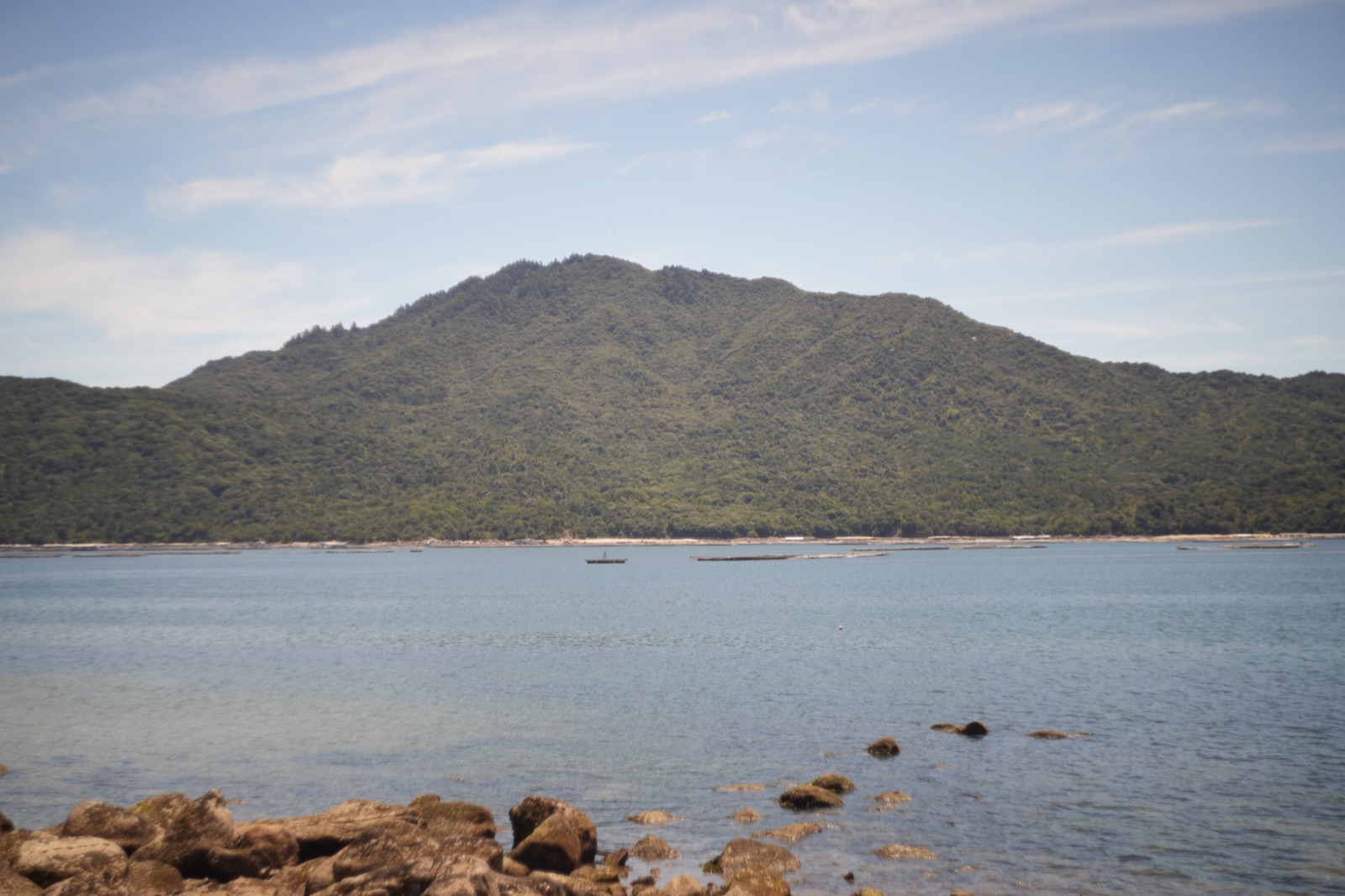
Yes, you can do Tomonoura as a day trip from Hiroshima, and it’s one of the easier ones to pull off: a Shinkansen to Fukuyama, a single bus, and you’re standing in a 19th-century fishing port by late morning. Tomonoura is the small harbor town on the Fukuyama coast that most foreign visitors have never heard of, which is exactly why I keep sending friends there. It’s the place Hayao Miyazaki stayed before making Ponyo, the place where Sakamoto Ryoma argued over a shipwreck in 1867, and the place where the stone lighthouse on the pier has been lit since the Edo period. I live in Hiroshima and have made this trip in every season. It works as a half-day if you’re tight, a full relaxed day if you’re not. Below is the honest version: how to get there, what’s actually worth your time, where the climbs and the views are, and where I’d eat back in the city when you roll in tired that evening.
Why bother with Tomonoura at all
Hiroshima has bigger names. Miyajima, the Peace Park, the okonomiyaki counters. Tomonoura is none of those things, and that’s the point. It’s a working port that never got flattened or rebuilt, so the streets are still narrow, the warehouses still lean, and the harbor still has the four “sights” that Edo-period travelers came to see. Nobody is hustling you. On a weekday in the off-season I’ve walked the whole waterfront and passed maybe a dozen people.
If you only do one thing here, walk out to the Joyato lighthouse on the old pier, then climb up to the Fukuzenji temple hall for the view across the water. That sequence, harbor then height, is the trip in miniature. Everything else is a bonus.
Getting to Tomonoura from Hiroshima
There’s no train to Tomonoura. The town sits on a peninsula south of Fukuyama, and the last leg is always a bus or a car. The clean version of the route is two steps.
First, take the Shinkansen from Hiroshima Station to Fukuyama. The Sakura and Kodama services both stop there, and a few Nozomi do as well. It’s a short hop, roughly 25 to 35 minutes depending on the service, and Fukuyama is the next major station east. If you have a JR Pass this is free; if not, it’s a reserved or non-reserved seat fare of [VERIFY: Hiroshima–Fukuyama Shinkansen fare]. Fukuyama Station is unusual in that the castle is right outside the north exit, close enough to photograph from the platform.
Second, from the bus stops in front of Fukuyama Station’s south exit, take the Tomotetsu bus bound for Tomonoura. It’s a single, direct ride of around 30 minutes that drops you near the port. The fare is [VERIFY: Fukuyama Station–Tomonoura bus fare]. Buses run regularly through the day, but they thin out in the evening, so check the return times before you wander off. I’ve cut it close once and ended up waiting 40 minutes in the dark, which is not the worst thing in a quiet harbor town, but plan better than I did.
The whole door-to-door trip from central Hiroshima runs around 90 minutes to two hours. That’s well within day-trip range, and it’s why I rate Tomonoura over some closer spots: the payoff per minute of travel is high.
If you’d rather build a wider loop, Tomonoura pairs naturally with other eastern Hiroshima trips. It’s in the same direction as Onomichi and the start of the island-hopping route, so a traveler with two days can stack them.
The harbor and the Joyato lighthouse
Start at the water. The Joyato is a stone lighthouse on the western breakwater, built in 1859, and it’s one of the largest surviving harbor lighthouses from the Edo period anywhere in Japan. It isn’t roped off or ticketed. You just walk out along the pier to it, with fishing boats on one side and the open Seto Inland Sea on the other.
Morning light here is soft and a little hazy, the way the Inland Sea usually looks. Late afternoon turns the stone gold. I prefer the morning because the harbor is busier with actual boat work, and there’s something honest about photographing a 160-year-old light tower while a guy in rubber boots unloads crates behind you.
From the pier, the old town spreads back uphill in a tangle of lanes. There’s no grid. Just wander. You’ll pass a sake brewery or two, a few craft shops, and houses that have clearly been lived in for generations. This is where Tomonoura earns its reputation as a preserved port rather than a museum version of one.
The Ponyo connection
Hayao Miyazaki spent time in Tomonoura in 2005, renting a house on the hillside, and the town fed directly into the look and feel of Ponyo. The studio has never claimed the film is set here exactly, and locals are refreshingly low-key about it. There’s no giant Ponyo theme park, no costumed mascots chasing you down the lane. You’ll spot the odd hand-drawn poster or a shop with a small homage in the window, and that’s about the extent of it.
If you grew up on the film, the appeal is just standing in a place that obviously shaped it: the seawall, the boats, the way the town climbs straight up from the water. Walk the hillside lanes above the harbor and you’ll see the resemblance without anyone needing to point it out. Honestly, even if you’ve never seen Ponyo, the climb is worth it for the rooftop views alone.
Sensuijima island by ferry
A few minutes offshore sits Sensuijima, a small uninhabited-feeling island that’s part of the national park. A short ferry runs across from the Tomonoura harbor, frequently enough that you don’t really need to plan around it, for a fare of [VERIFY: Sensuijima ferry fare]. The crossing takes about five minutes.
The island’s draw is the Goshikiiwa, the “five-colored rocks,” a stretch of cliff where the stone genuinely shifts in tone depending on the light and the angle. There are walking trails, a beach, and a faded resort feel that I find more charming than sad. It’s the kind of place that’s quiet on a weekday and pleasantly low-key even when it’s busy. If the weather’s bad or you’re short on time, you can skip the island and not feel cheated. If it’s clear, give it an hour or two.
Temples, history, and the Iroha Maru
Back on the mainland, climb to Fukuzenji. The temple’s Taichoro hall, built in the late 1600s as a guest hall for Korean diplomatic missions, frames the harbor and the islands beyond through its open front like a living painting. One of the Korean envoys reportedly called the view the finest scenery east of his homeland, and standing there, you understand the compliment. The tatami, the wooden posts, the water in the gap: it’s a composed, deliberate view, and it’s the single image I’d keep if I could only keep one from Tomonoura.
Tomonoura also has a footnote in the end of the samurai era. In 1867 a ship called the Iroha Maru, chartered by Sakamoto Ryoma, collided with another vessel and sank off the coast here, and Ryoma came ashore to negotiate compensation. The town leans into that story with a small museum and a few marked spots connected to the incident. You don’t need to be a history specialist to enjoy it; the short version is that one of the most famous figures in modern Japanese history walked these exact lanes, frustrated, working a deal.
There are more temples and shrines scattered up the slopes than you can reasonably see in a day. Don’t try. Pick Fukuzenji, maybe one more that catches your eye on the climb, and leave the rest for a return trip.
What to eat, and the homeishu
Tomonoura is a fishing port, so the seafood is the obvious move. Small restaurants near the harbor serve set meals built around the day’s catch, and sea bream is the local signature. I won’t quote you prices or hours, because the places that are good are often family-run and change their rhythm with the seasons, and a number I made up would help nobody. Walk, look at what’s full of locals at lunch, and trust that.
The town’s odd specialty is homeishu, a medicinal sweet sake infused with something like sixteen herbs and spices, made in Tomonoura for centuries. Several old shops sell it, and most will let you taste before you buy. It’s syrupy, warming, closer to an herbal liqueur than to regular sake, and it makes a far more memorable souvenir than another box of momiji manju. If you like amaro or fortified wines, you’ll get it immediately.
For something sweeter, the eastern Hiroshima coast runs on citrus, so keep an eye out for lemon sweets and drinks the way you would over in Onomichi.
Practical info
For planning, the rough numbers:
- Hiroshima to Fukuyama by Shinkansen: about 25–35 min
- Fukuyama Station to Tomonoura by Tomotetsu bus: about 30 min
- Total one-way travel: roughly 90 min–2 hr
- Shinkansen fare: [VERIFY: Hiroshima–Fukuyama fare] (free with JR Pass)
- Bus fare: [VERIFY: Fukuyama–Tomonoura fare]
- Sensuijima ferry: [VERIFY: fare], crossing about 5 min
- Last useful return bus from Tomonoura: [VERIFY: evening timetable] — check before you set out
The town is walkable but hilly, so wear real shoes. There are few large shops, so carry some cash; an IC card like ICOCA covers the train and bus, but smaller harbor restaurants may be cash only. Half a day is enough to hit the lighthouse, Fukuzenji, and lunch. A full day lets you add Sensuijima and a slower wander.
Where I Eat and Drink Around Otemachi
A day trip like this usually dumps you back at Hiroshima Station in the early evening, tired and a little salt-blown, which is when central Hiroshima earns its keep. I tend to head back toward Otemachi and eat something unhurried.
When I want a real meal without booking anything or thinking about a dress code, I go to MORETHAN Hiroshima, the restaurant on the ground floor of THE KNOT hotel near Chuden-mae. It runs all day into dinner, leans on charcoal grilling and seasonal local ingredients, and it’s comfortable in the specific way you want after a long travel day. If I’m later and just want noodles, Okkundo in Otemachi does Hiroshima-style mazemen, flat thick noodles with a soy base instead of the city’s usual spicy red, and you pick your own spice level at the counter. It keeps long hours, so a late bowl is no problem.
If there’s still a little night left, VUELTA is a small craft cocktail bar in Otemachi I drop into often. Sixteen seats, quiet, with serious attention to ice and dilution, which is exactly the register you want after a day of sea air and bus rides. Walk-ins are usually fine, but you can book a counter seat through their site if it’s a Friday or Saturday.