What to Wear in Hiroshima in July
July in Hiroshima is hot and humid — here's what actually works to wear, from a local who has survived several summers here.
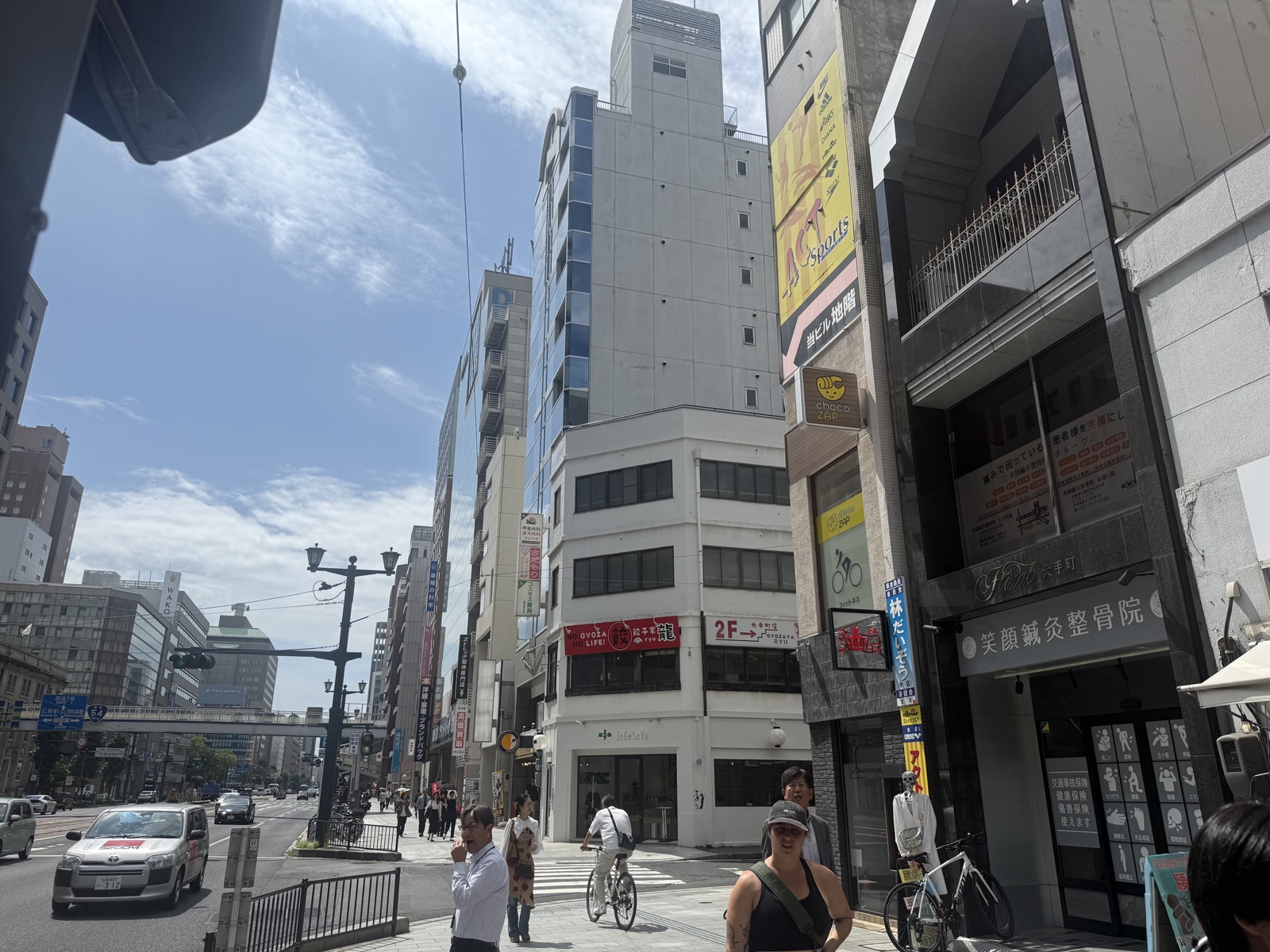
Short answer: as little as is socially acceptable, and fabric that breathes. July in Hiroshima is genuinely brutal — temperatures sit somewhere in the low-to-mid 30s Celsius most days, and the humidity makes it feel worse than the thermometer suggests. The rainy season usually wraps up by mid-July, and after that the sky turns clear and the heat stops apologizing. I’ve lived here long enough to have tried the wrong clothes in July, and the wrong clothes in this city will make you miserable within twenty minutes of stepping outside. The good news is you don’t need to overthink this. A few basic principles cover most situations, whether you’re doing Peace Park in the morning or hopping between restaurants at night. What follows is what I actually do, not a packing checklist of obvious items.
Is July in Hiroshima Really That Hot?
Yes. I know every travel article says this about every Japanese city in summer, but July in Hiroshima has a particular quality to it because the city sits in a basin surrounded by mountains. Heat collects. The Ota River delta can generate a light breeze near the water, and sometimes you feel it. Often you don’t. Expect daily highs between 32°C and 36°C once the rainy season ends, with overnight lows that don’t drop below 25°C or so. If you’re visiting in early July, you might still catch some overcast rainy-season days, which are actually more manageable than the clear-sky heat that follows.
The practical upshot is that your clothing choices matter more here than in a city with ocean wind or higher elevation.
The Fabric Question Matters More Than the Outfit
If there’s one rule that overrides everything else in a Hiroshima July, it’s this: cotton is your enemy. Cotton soaks up sweat and stays wet. After twenty minutes of walking, you’ll feel like you’re wearing a damp towel. Linen is much better — it breathes and doesn’t cling when wet. The best option, honestly, is technical fabric made for outdoor or athletic use. The stuff marketed for hiking or running wicks moisture away and dries fast. It looks fine under a lightweight overshirt if you’re going somewhere with a dress code.
Japanese brand options for this kind of clothing are everywhere in Hiroshima’s shopping areas around Hatchobori and Hondori. UNIQLO’s AIRism line is the obvious recommendation and it’s genuinely good — I wear it under everything in July. It’s not the most exciting piece of clothing, but neither is sweating through your shirt at 9am.
What Men Actually Wear Here in July
Local salarymen who have to dress for work have more or less solved this: a very lightweight dress shirt (often a linen or linen-blend), loose-cut trousers in a light color, and a small towel in the bag. That towel isn’t a fashion accessory — it’s a tool. Convenience stores sell small handkerchiefs and cooling towels near the entrance in summer, and people use them constantly.
For sightseeing or casual days, shorts and a lightweight short-sleeved shirt work well. Light colors reflect rather than absorb heat. Dark jeans in July are a punishment I wouldn’t wish on anyone. If you’re going into air-conditioned spaces, which you will — restaurants, museums, the streetcar — you might want one thin layer you can pull on inside, because the air conditioning in Japanese public spaces tends toward aggressive.
What Women Actually Wear Here in July
The most common thing I see among local women in July is a flowy dress or skirt — not because it’s a fashion statement, but because it lets air move. Anything fitted tends to cling once you’re warm. UV-cut cardigans are extremely popular here, worn both outdoors as sun protection and indoors against the air conditioning. They sell them in every drugstore and clothing shop in the city, and they’re worth picking up even if you didn’t pack one. Around ¥1,000 to ¥2,000 at most places, give or take.
Sandals that can actually handle walking are the footwear default. Birkenstocks or similar flat leather sandals are fine for the flat streetscape of central Hiroshima, but if you’re heading to Miyajima for the island paths, closed shoes are more practical. I’ve watched people try to do the approach to Senjokaku in slip-on mules and it doesn’t go well.
Sun Protection Is Non-Negotiable
This is the part visitors underestimate most. The summer sun in Hiroshima is intense enough that a full day outside without protection will leave you sunburned and exhausted. Most locals carry a parasol or UV-blocking umbrella — not considered unusual at all, men included. I started doing it maybe two years after moving here and wish I’d started sooner.
Beyond that, high-SPF sunscreen applied generously before you leave, and reapplied after you’ve been sweating, is just part of the July routine. A hat with a brim helps. The Peace Memorial Park in particular has long stretches without shade, and the morning hours are already warm enough to matter.
A Few Practical Notes
Shoes with socks are going to be uncomfortable in July heat. If you’re wearing sneakers, low-cut no-show socks at minimum. Flip-flops are fine for casual walking but don’t hold up well on cobblestones or the uneven surfaces around some of the older areas near the river.
If you’re spending any time in the evenings around Nagarekawa or the bar areas in Hatchobori and Yagenbori, the dress code is casual. Nobody is checking. A lightweight shirt and clean shorts will get you into any bar or restaurant I’ve been to in this city. The one thing that occasionally gets you a second look is beach-style shorts — board shorts or swim trunks — at a dinner-level restaurant. Fine in a ramen shop, slightly odd at a sit-down place with linen tablecloths.
For more on navigating the heat once you’re here, the Hiroshima summer food guide has some useful notes on cold food and places to cool down. And if you’re trying to plan your July visit around the heat and festivals together, Hiroshima in July covers the calendar side of things.
One more thing: your hotel will almost certainly have a coin laundry or a laundry service. Packing fewer clothes and washing mid-trip is a reasonable strategy for a July visit. Stuff dries fast when it’s 34°C outside.