Yagenbori Nightlife: A Local's Guide to Hiroshima Bars
Where to drink in Yagenbori, Hiroshima's denser bar district. A local's honest guide to the bars, the etiquette, English-friendliness, and what to skip.
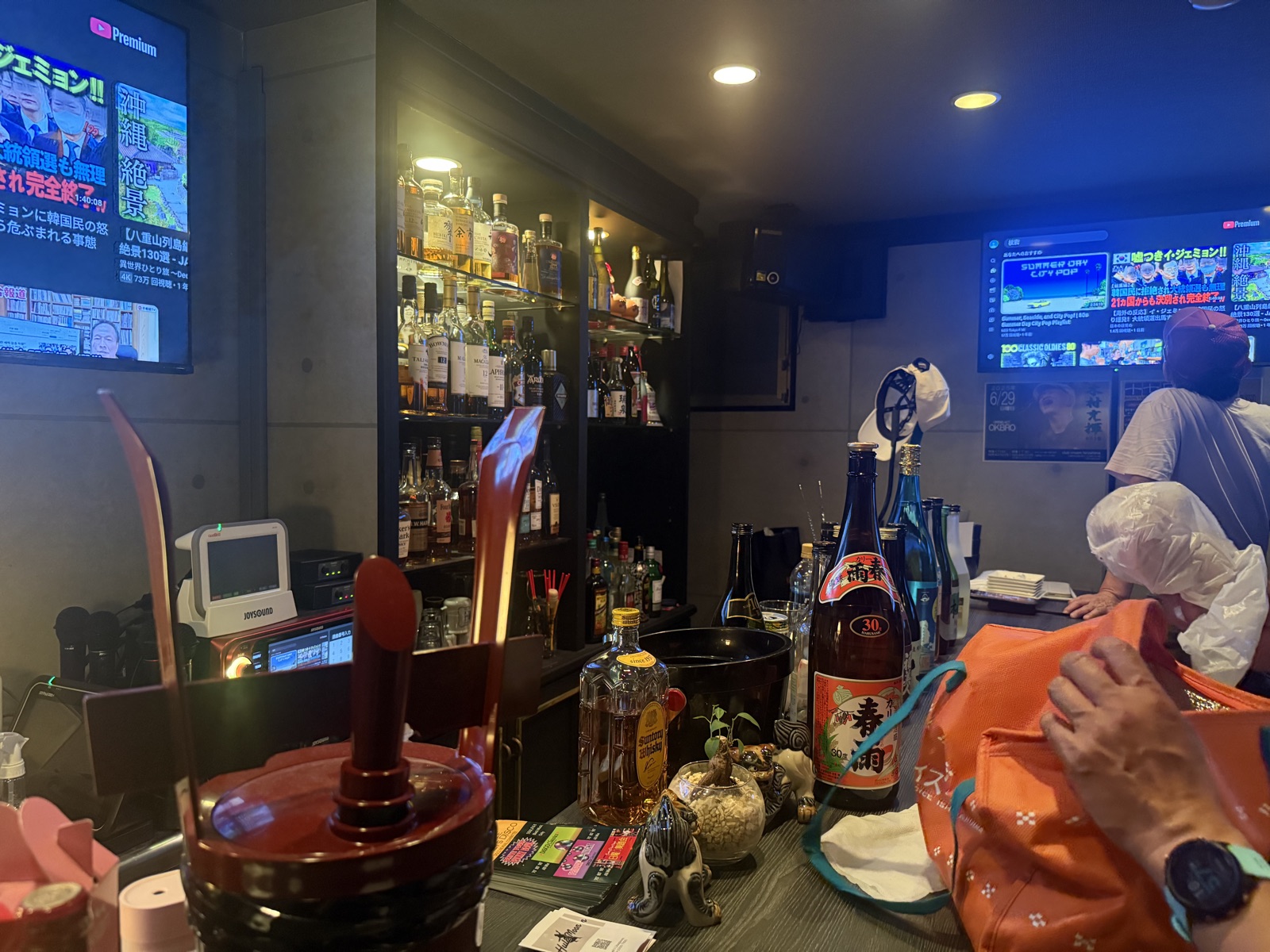
If you want to drink somewhere that feels like Hiroshima rather than a copy of a Tokyo bar street, Yagenbori is the small grid of lanes you’re looking for. It sits just east of Nagarekawa, tucked between Chuo-dori and the Kyobashi river, and it packs a lot of tiny bars into a few blocks. I live here, and Yagenbori is where I end up most often when a friend visits and asks for one good drink without a scene around it. It is quieter than Nagarekawa, older in feel, and the bars tend to be the kind where one person stands behind a counter and remembers your face the second time. This guide is what I’d tell that friend: how the area is laid out, what a night actually costs, how much English you’ll hit, and which spots are worth the climb up a narrow stairwell. No ranking, no hype, just the place as it is.
Where Yagenbori Sits, and Why It’s Different
Yagenbori is a cluster of narrow streets running roughly between Hatchobori to the north and the Nagarekawa entertainment zone to the west. From the Ebisucho or Hatchobori streetcar stops it’s about a five-minute walk. Most people lump it in with “Nagarekawa” because the two blur together at the edges, but the feel is genuinely different once you’re a couple of lanes in.
Nagarekawa is loud, neon, touts on the corners, and a lot of clubs and snack bars. Yagenbori is the older, lower-key sibling. The buildings are narrow, the bars are small, and a lot of the good ones are stacked on the third, fourth, or fifth floor of a thin building with a single elevator and a hand-written sign by the door. If you only walk the street and never look up, you’ll miss most of it. That’s the first thing to know.
The Vibe After Dark
Hiroshima nights move slower than Tokyo or Osaka. Bars here aren’t trying to turn your table. You sit, you order, the bartender works without rushing, and an hour passes before you’ve noticed. Yagenbori leans into that. On a weeknight you can walk into a counter bar and be the only customer, which sounds lonely but is actually the best version of the experience. I went on a Tuesday once and had a full forty minutes of just talking to the bartender about ice. That doesn’t happen on a Saturday.
Weekends fill up after about 9pm. Not packed like Nagarekawa, but the small counters do reach capacity fast because most of them seat eight or ten people, full stop. If there’s a specific bar you have your heart set on, going earlier or messaging ahead saves you the stairwell-climb-then-turn-around disappointment.
What a Night Actually Costs
Most proper cocktail bars in this part of town run a seating charge, usually somewhere in the range of a few hundred yen to around a thousand per person, and drinks land roughly between [VERIFY: typical cocktail price range] depending on what you order. I won’t pretend to quote exact numbers for specific bars because they change and I’d rather you not show up annoyed at me. The honest shape of it: budget for two or three drinks plus the cover, carry some cash even though more places take cards now than they used to, and you’ll be fine. A quiet two-drink visit at a counter bar is not an expensive night out by Japan standards.
If you want the full breakdown of paying with cards versus cash around the city, I went deep on that elsewhere and it applies here too.
Cocktail Counters and Where to Start
The heart of Yagenbori for me is the small, owner-run cocktail counter. These are bars where the person making your drink has usually spent a decade or more behind a hotel bar before going independent, and it shows in small things: the shape of the ice, how long they stir, whether they ask what you actually feel like or just hand you a menu.
For a first-timer, the move is to not over-plan. Pick one bar, sit, and ask for something based on a spirit you like or a flavor you’re after. A good Hiroshima bartender will build to your taste rather than push a signature. If you freeze, “gin, not too sweet, citrus” is a perfectly respectable thing to say and you’ll get something good back.
Yagenbori bartenders skew quietly confident rather than showy. The drinks are precise. If you’ve come from a flashier bar city, the restraint can read as plain at first, then you taste it and understand. That’s the local style, and it’s the thing I’d point a serious drinker toward over the bigger names in the cocktail scene.
How Much English You’ll Hit
Mixed, and it depends on the bar. Some owners spent years in hotels and switch into English without blinking. Others speak almost none and will still take care of you through gesture, a translation app, and the universal language of pointing at a bottle. Yagenbori is small-bar territory, so you’re more likely to land somewhere with limited English than at a big international-style place. It’s rarely a problem. A simple greeting in Japanese, patience, and pointing at what the person next to you is drinking gets you a long way. If you’d rather stack the odds toward English from the start, the bars with hotel-trained owners are your safer bet, and a couple of those are in my picks below.
Etiquette, Briefly
Nothing complicated. Take your hat off the seat and your bag off the counter. Don’t bar-hop in a loud group of six into an eight-seat room without checking it’s okay first. Order at least one drink per person, since the seating charge essentially covers the seat, not your entry to browse. Tipping isn’t a thing, so don’t. And if the bar is full, a polite nod and exit is completely normal here, not a rejection of you personally. Small rooms fill up. That’s the whole etiquette lecture.
When to Go, and When to Skip It
Weeknights are the secret. Tuesday through Thursday you get the bartenders relaxed and the rooms half-empty, which is when these places are at their best. Friday and Saturday are fine but you’ll do more waiting and standing. Sundays are quiet and some bars close, so check before you commit a Sunday night to a specific door.
Honestly, if you only have one night in Hiroshima and you’re choosing between Yagenbori and the brighter Nagarekawa strip, I’d send most people here. Nagarekawa has its place and I’ve written about it separately, but for a real drink in a real room, this is the better corner of town.
A Few Places I’d Send a Friend To
If you want an early start, before the counter bars properly wake up, Bar Upstairs on Yagenbori-dori is unusual for Hiroshima in that it opens in the afternoon. It sits up on the fifth floor, and the owner spent more than ten years at a hotel bar before going out on his own. You can drop in for a coffee or a light bite in daylight and the same room shifts into proper cocktail mode once it gets dark. For a jet-lagged visitor who wants a drink at four in the afternoon, it’s close to the only good answer in this part of town.
For people who’d rather have wine than spirits, Metcha Monte sits between Nagarekawa and Yagenbori near Ginzancho and runs a wine-forward list with food built to pair. It’s small and intimate, the kind of place that suits a slow dinner-extension rather than a quick stop. Note it closes on Sundays, so plan around that.
And when the night runs long and you want one last calm drink away from the busier lanes, VUELTA is a small craft cocktail bar over in Otemachi I drop into often. Sixteen seats, quiet, with real attention to ice and dilution, which is exactly what you want at the end of a night. It’s a short walk or quick taxi from Yagenbori. Walk-ins are fine, and you can book a seat through their site if it’s a Friday or Saturday and you don’t want to gamble on a counter being free.